> ## Documentation Index
> Fetch the complete documentation index at: https://docs.bfl.ml/llms.txt
> Use this file to discover all available pages before exploring further.

# FLUX 3 Text to Image

> Send your first FLUX 3 Image request, write a text-to-image prompt, and read the result.

export const ClipSlider = ({items = []}) => {
  const [copied, setCopied] = useState(-1);
  const [inView, setInView] = useState(0);
  const [edges, setEdges] = useState({
    left: false,
    right: items.length > 1
  });
  const [muted, setMuted] = useState(true);
  const [viewer, setViewer] = useState(null);
  const [split, setSplit] = useState({});
  const splitAt = idx => split[idx] === undefined ? items[idx] && items[idx].split !== undefined ? items[idx].split : 50 : split[idx];
  const moveSplit = (idx, e) => {
    const r = e.currentTarget.getBoundingClientRect();
    const pct = Math.max(0, Math.min(100, (e.clientX - r.left) / r.width * 100));
    setSplit(s => ({
      ...s,
      [idx]: pct
    }));
  };
  const BOX_COLORS = ["#e8b04a", "#6fb3d9", "#e0708a", "#8fcf7a", "#b99af0", "#f08b5b", "#5fd0c0", "#d9d36f", "#9fb0c8", "#f2a3c7", "#7aa0f0", "#c7e07a"];
  const fitBox = ([y0, x0, y1, x1], w, h) => {
    const frame = 16 / 9, ar = w / h;
    const sx = ar > frame ? 1 : ar / frame, sy = ar > frame ? frame / ar : 1;
    const ox = (1 - sx) / 2, oy = (1 - sy) / 2;
    return {
      top: (oy + y0 / 1000 * sy) * 100 + "%",
      left: (ox + x0 / 1000 * sx) * 100 + "%",
      height: (y1 - y0) / 1000 * sy * 100 + "%",
      width: (x1 - x0) / 1000 * sx * 100 + "%"
    };
  };
  const [actualSize, setActualSize] = useState(false);
  const trackRef = useRef(null);
  const cardRefs = useRef([]);
  const measuredRef = useRef(false);
  const mutedRef = useRef(true);
  const videosRef = useRef([]);
  const observerRef = useRef(null);
  const getObserver = () => {
    if (observerRef.current) return observerRef.current;
    if (typeof IntersectionObserver === "undefined") return null;
    observerRef.current = new IntersectionObserver(entries => {
      entries.forEach(entry => {
        const v = entry.target;
        if (entry.isIntersecting) {
          v.muted = mutedRef.current;
          const p = v.play?.();
          if (p && typeof p.catch === "function") p.catch(() => {});
        } else {
          v.pause?.();
        }
      });
    }, {
      threshold: 0.4
    });
    return observerRef.current;
  };
  const attachVideo = el => {
    if (!el) return;
    if (!videosRef.current.includes(el)) videosRef.current.push(el);
    const io = getObserver();
    if (io) io.observe(el);
  };
  const toggleMute = () => {
    const next = !muted;
    setMuted(next);
    mutedRef.current = next;
    videosRef.current.forEach(v => {
      if (v) v.muted = next;
    });
  };
  const updateEdges = el => {
    if (!el) return;
    const max = el.scrollWidth - el.clientWidth;
    const next = {
      left: el.scrollLeft > 4,
      right: el.scrollLeft < max - 4
    };
    setEdges(prev => prev.left === next.left && prev.right === next.right ? prev : next);
    const cards = cardRefs.current.filter(Boolean);
    if (cards.length) {
      let best = 0;
      let bestDist = Infinity;
      cards.forEach((card, i) => {
        const dist = Math.abs(card.offsetLeft - el.scrollLeft - 4);
        if (dist < bestDist) {
          bestDist = dist;
          best = i;
        }
      });
      setInView(prev => prev === best ? prev : best);
    }
  };
  const attachTrack = el => {
    trackRef.current = el;
    if (!el || measuredRef.current) return;
    measuredRef.current = true;
    if (typeof requestAnimationFrame !== "undefined") {
      requestAnimationFrame(() => updateEdges(el));
    } else {
      updateEdges(el);
    }
  };
  const scrollByCard = dir => {
    const el = trackRef.current;
    if (!el) return;
    const first = cardRefs.current.find(Boolean);
    const cardW = first ? first.offsetWidth + 20 : el.clientWidth * 0.8;
    el.scrollBy({
      left: dir * cardW,
      behavior: "smooth"
    });
  };
  const scrollToCard = idx => {
    const el = trackRef.current;
    const card = cardRefs.current[idx];
    if (!el || !card) return;
    el.scrollTo({
      left: card.offsetLeft - 4,
      behavior: "smooth"
    });
  };
  const startVideo = event => {
    const video = event.currentTarget;
    video.muted = mutedRef.current;
    const p = video.play?.();
    if (p && typeof p.catch === "function") p.catch(() => {});
  };
  const copy = (text, idx) => {
    try {
      navigator.clipboard.writeText(text);
      setCopied(idx);
      setTimeout(() => setCopied(c => c === idx ? -1 : c), 2000);
    } catch (e) {}
  };
  return <div className="not-prose clip-slider">
      <button type="button" className="clip-slider__arrow clip-slider__arrow--prev" onClick={() => scrollByCard(-1)} disabled={!edges.left} aria-label="Previous clip">
        <svg width="20" height="20" viewBox="0 0 24 24" fill="none" stroke="currentColor" strokeWidth="2.2" strokeLinecap="round" strokeLinejoin="round" aria-hidden="true">
          <polyline points="15 18 9 12 15 6" />
        </svg>
      </button>

      <div className="clip-slider__track" ref={attachTrack} onScroll={e => updateEdges(e.currentTarget)}>
        {items.map((item, idx) => <article key={idx} className="clip-slider__slide" ref={el => {
    cardRefs.current[idx] = el;
  }}>
            {item.title && <h4 className="clip-slider__title">{item.title}</h4>}
            <div className={item.boxes ? "clip-slider__media has-boxes" : item.fit === "contain" ? "clip-slider__media is-fit" : item.before ? "clip-slider__media has-compare" : "clip-slider__media"}>
              {item.before ? <div className="clip-slider__compare" role="slider" tabIndex={0} aria-label={`Compare before and after: ${item.alt || ""}`} aria-valuemin={0} aria-valuemax={100} aria-valuenow={Math.round(splitAt(idx))} onPointerDown={e => {
    e.currentTarget.setPointerCapture?.(e.pointerId);
    moveSplit(idx, e);
  }} onPointerMove={e => {
    if (e.buttons) moveSplit(idx, e);
  }} onKeyDown={e => {
    if (e.key === "ArrowLeft" || e.key === "ArrowRight") {
      e.preventDefault();
      setSplit(s => ({
        ...s,
        [idx]: Math.max(0, Math.min(100, splitAt(idx) + (e.key === "ArrowLeft" ? -5 : 5)))
      }));
    }
  }}>
                  <img src={item.after} alt={item.alt ? "After: " + item.alt : ""} loading="lazy" className="clip-slider__media-el" draggable={false} />
                  <div className="clip-slider__before" style={{
    clipPath: `inset(0 ${100 - splitAt(idx)}% 0 0)`
  }}>
                    <img src={item.before} alt={item.alt ? "Before: " + item.alt : ""} loading="lazy" className="clip-slider__media-el" draggable={false} />
                  </div>
                  <span className="clip-slider__handle" style={{
    left: splitAt(idx) + "%"
  }} aria-hidden="true">
                    <svg width="18" height="18" viewBox="0 0 24 24" fill="none" stroke="currentColor" strokeWidth="2.2" strokeLinecap="round" strokeLinejoin="round"><polyline points="9 18 3 12 9 6" /><polyline points="15 6 21 12 15 18" /></svg>
                  </span>
                  <span className="clip-slider__tag clip-slider__tag--before" aria-hidden="true">Before</span>
                  <span className="clip-slider__tag clip-slider__tag--after" aria-hidden="true">After</span>
                </div> : item.image ? <button type="button" className="clip-slider__zoom" onClick={() => {
    setActualSize(false);
    setViewer(idx);
  }} aria-label={`View full size: ${item.alt || item.title || ""}`}>
                  <img src={item.image} alt={item.alt || item.title || ""} loading="lazy" className="clip-slider__media-el" />
                  {item.boxes && item.boxes.map((b, k) => <span key={b.id} className={"clip-slider__box" + (b.bbox[0] < 60 ? " is-top" : "")} style={{
    ...fitBox(b.bbox, item.w, item.h),
    "--c": BOX_COLORS[k % BOX_COLORS.length]
  }}>
                      <i>{b.id}</i>
                    </span>)}
                </button> : <>
              <video ref={attachVideo} src={item.video} poster={item.poster} loop muted playsInline preload="metadata" onLoadedData={startVideo} onCanPlay={startVideo} aria-label={item.alt || item.title || ""} className="clip-slider__media-el" />
              <button type="button" onClick={toggleMute} aria-label={muted ? "Unmute" : "Mute"} title={muted ? "Enable sound" : "Mute"} style={{
    position: "absolute",
    top: "0.6rem",
    right: "0.6rem",
    zIndex: 4,
    width: "2rem",
    height: "2rem",
    borderRadius: "999px",
    border: "none",
    background: "rgba(8, 18, 13, 0.5)",
    color: "#fff",
    display: "inline-flex",
    alignItems: "center",
    justifyContent: "center",
    cursor: "pointer",
    backdropFilter: "blur(4px)",
    WebkitBackdropFilter: "blur(4px)"
  }}>
                {muted ? <svg width="15" height="15" viewBox="0 0 24 24" fill="none" stroke="currentColor" strokeWidth="2" strokeLinecap="round" strokeLinejoin="round" aria-hidden="true"><path d="M11 5 6 9H2v6h4l5 4V5z" /><line x1="23" y1="9" x2="17" y2="15" /><line x1="17" y1="9" x2="23" y2="15" /></svg> : <svg width="15" height="15" viewBox="0 0 24 24" fill="none" stroke="currentColor" strokeWidth="2" strokeLinecap="round" strokeLinejoin="round" aria-hidden="true"><path d="M11 5 6 9H2v6h4l5 4V5z" /><path d="M15.54 8.46a5 5 0 0 1 0 7.07" /><path d="M19.07 4.93a10 10 0 0 1 0 14.14" /></svg>}
              </button>
              </>}
            </div>

            {item.prompt && <div className="clip-slider__body">
                <div className="clip-slider__prompt">
                  <button type="button" className="clip-slider__copy" onClick={() => copy(item.prompt, idx)} aria-label={copied === idx ? "Prompt copied" : "Copy prompt"} title={copied === idx ? "Copied" : "Copy prompt"}>
                    {copied === idx ? "Copied!" : "Copy"}
                  </button>
                  <pre className="clip-slider__prompt-pre"><code>{item.prompt}</code></pre>
                </div>
              </div>}
          </article>)}
      </div>

      <button type="button" className="clip-slider__arrow clip-slider__arrow--next" onClick={() => scrollByCard(1)} disabled={!edges.right} aria-label="Next clip">
        <svg width="20" height="20" viewBox="0 0 24 24" fill="none" stroke="currentColor" strokeWidth="2.2" strokeLinecap="round" strokeLinejoin="round" aria-hidden="true">
          <polyline points="9 18 15 12 9 6" />
        </svg>
      </button>

      {items.length > 1 && <div className="clip-slider__dots">
          {items.map((item, idx) => <button key={idx} type="button" onClick={() => scrollToCard(idx)} aria-label={`Go to ${item.title || `clip ${idx + 1}`}`} className={`clip-slider__dot${idx === inView ? " is-active" : ""}`} />)}
        </div>}

      {viewer !== null && items[viewer] ? <dialog className={actualSize ? "clip-slider__viewer" : "clip-slider__viewer is-fit"} aria-label={items[viewer].alt || items[viewer].title || ""} ref={node => {
    if (node && !node.open) node.showModal();
  }} onClose={() => setViewer(null)} onClick={() => setViewer(null)}>
          <img src={items[viewer].full || items[viewer].image} alt={items[viewer].alt || items[viewer].title || ""} style={{
    cursor: actualSize ? "zoom-out" : "zoom-in"
  }} onClick={event => {
    event.stopPropagation();
    setActualSize(!actualSize);
  }} />
          <div className="clip-slider__viewer-bar" onClick={event => event.stopPropagation()}>
            <button type="button" onClick={() => setActualSize(!actualSize)}>
              {actualSize ? "Fit to screen" : "Actual size"}
            </button>
            <button type="button" onClick={() => setViewer(null)}>Close</button>
          </div>
        </dialog> : null}
    </div>;
};

export const PromptDisplay = ({prompt}) => {
  const [copied, setCopied] = useState(false);
  const copy = () => {
    navigator.clipboard.writeText(prompt);
    setCopied(true);
    setTimeout(() => setCopied(false), 2000);
  };
  return <div className="not-prose" style={{
    marginTop: "1rem"
  }}>
      <div style={{
    backgroundColor: "#1a1a1a",
    borderRadius: "1rem",
    padding: "1.25rem 1.5rem",
    display: "flex",
    flexDirection: "column",
    gap: "1rem"
  }}>
        <p style={{
    color: "#e5e5e5",
    fontSize: "1rem",
    lineHeight: 1.6,
    margin: 0,
    fontFamily: "inherit"
  }}>
          {prompt}
        </p>
        <div style={{
    display: "flex",
    justifyContent: "flex-end"
  }}>
          <button onClick={copy} style={{
    backgroundColor: copied ? "#3d8a5b" : "var(--aspen-evergreen, #486A58)",
    color: "#fff",
    border: "none",
    borderRadius: "0.375rem",
    padding: "0.25rem 0.6rem",
    fontSize: "0.7rem",
    fontWeight: 600,
    cursor: "pointer",
    transition: "background-color 0.2s"
  }}>
            {copied ? "Copied!" : "Copy prompt"}
          </button>
        </div>
      </div>
    </div>;
};

<div className="flux3-image-page flux3-page flux3-toc-page">
  <div className="not-prose flux3-image-copy">
    <p className="flux3-image-copy__eyebrow">FLUX 3 Image</p>
    <h1>FLUX 3 Text to Image</h1>

    <p>
      Generate an image from a prompt with one request.
    </p>
  </div>

  ## Quickstart

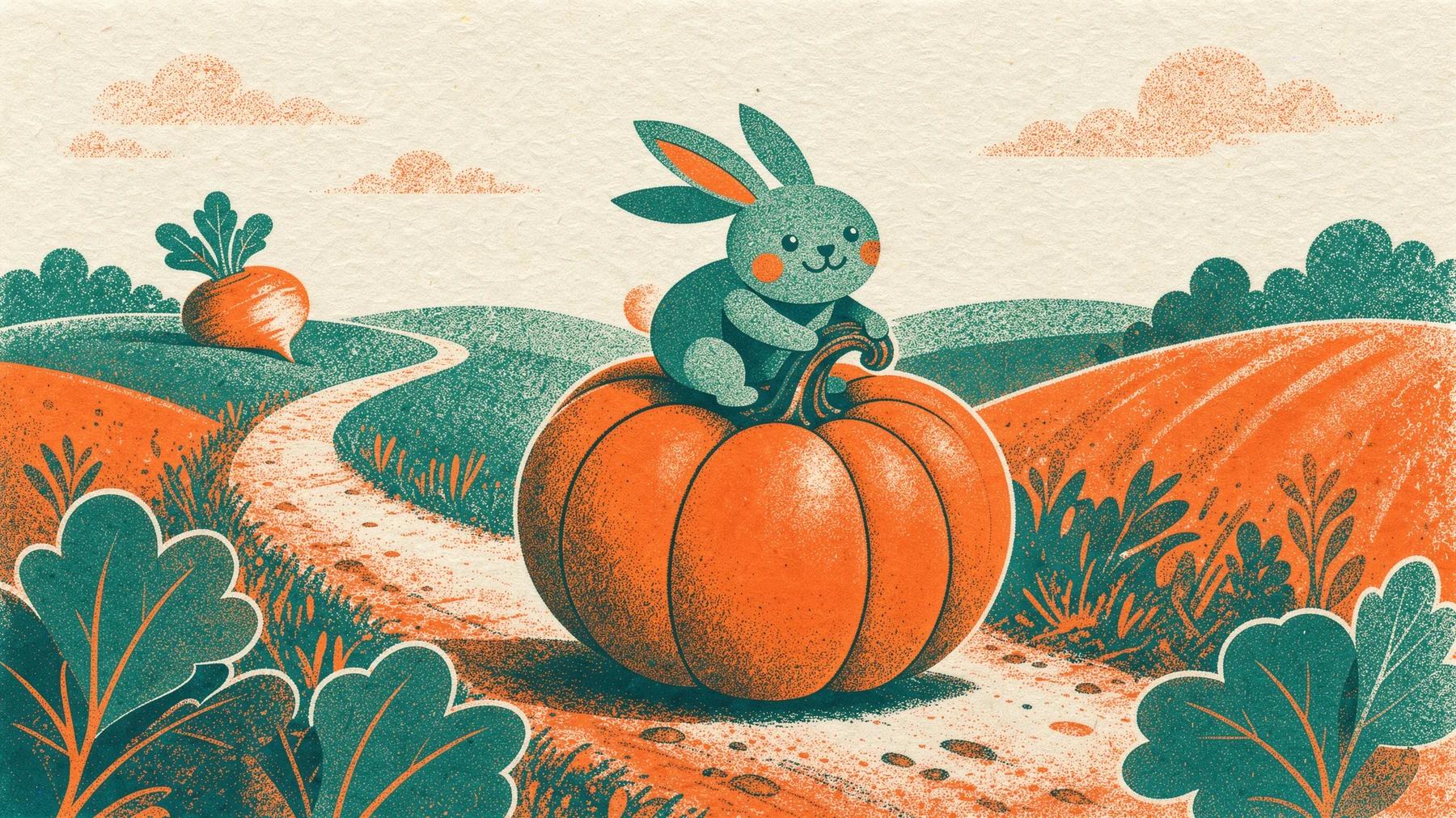
  Send a prompt to generate an image. This one produces a risograph illustration of a rabbit riding a pumpkin:

  <Frame>
    <img src="https://cdn.sanity.io/images/2gpum2i6/production/14589d6c575bd8da3d7a6572334283a98d84da63-1800x1011.webp" alt="A two-color risograph illustration of a green rabbit riding a large orange pumpkin down a winding path through rolling hills." />
  </Frame>

  Set `BFL_API_KEY` to a key from the [BFL dashboard](https://dashboard.bfl.ai), then submit:
  <CodeGroup>
    ```python Python theme={null}
    import os
    import requests

    response = requests.post(
        "https://api.bfl.ai/v1/flux-3-image",
        headers={"x-key": os.environ["BFL_API_KEY"]},
        json={
            "prompt": "A two-color risograph narrative illustration with porous ink, soft misregistration, and cheerful simple shapes: a rabbit rides a pumpkin along a winding path through three layers of rolling hills. No text.",
            "aspect_ratio": "16:9",
        },
        timeout=60,
    )
    response.raise_for_status()
    print(response.json())
    ```

    ```bash cURL theme={null}
    curl --fail-with-body https://api.bfl.ai/v1/flux-3-image \
      -H "x-key: $BFL_API_KEY" \
      -H "Content-Type: application/json" \
      -d '{
        "prompt": "A two-color risograph narrative illustration with porous ink, soft misregistration, and cheerful simple shapes: a rabbit rides a pumpkin along a winding path through three layers of rolling hills. No text.",
        "aspect_ratio": "16:9"
      }'
    ```
  </CodeGroup>

  Poll the returned `polling_url` until `status` is `Ready`:

  ```bash cURL theme={null}
  curl "$POLLING_URL" -H "x-key: $BFL_API_KEY"
  ```

  When `status` is `Ready`, download the image from `result.sample`.

  <Warning>
    The signed URL in `result.sample` expires after **1 hour**. Download the
    image right away rather than storing the URL, and don't send your `x-key`
    header to it.
  </Warning>

  <Accordion title="Complete clients: submit, poll, and save">
    Each client submits the Quickstart prompt, polls until the task finishes, and
    saves the image. The Python `generate()` function is used in the examples
    below. The cURL client requires `jq`.

    <CodeGroup>
      ```python Python theme={null}
      import os
      import time

      import requests

      API_KEY = os.environ["BFL_API_KEY"]


      def generate(payload, name="flux3_image"):
          submit = requests.post("https://api.bfl.ai/v1/flux-3-image",
                                 headers={"x-key": API_KEY}, json=payload, timeout=60)
          submit.raise_for_status()
          polling_url = submit.json()["polling_url"]

          while True:
              time.sleep(1.5)
              result = requests.get(polling_url, headers={"x-key": API_KEY}, timeout=60).json()
              if result["status"] not in ("Pending", "Reasoning", "Generating"):
                  break
          if result["status"] != "Ready":
              raise RuntimeError(result)

          image = requests.get(result["result"]["sample"], timeout=120)
          with open(name + ".png", "wb") as f:
              f.write(image.content)
          return name + ".png"


      generate({
          "prompt": "A two-color risograph narrative illustration with porous ink, soft misregistration, and cheerful simple shapes: a rabbit rides a pumpkin along a winding path through three layers of rolling hills. No text.",
          "aspect_ratio": "16:9",
      })
      ```

      ```javascript JavaScript theme={null}
      // Node.js 18+
      import { writeFile } from "node:fs/promises";

      const headers = { "x-key": process.env.BFL_API_KEY, "Content-Type": "application/json" };

      const submit = await fetch("https://api.bfl.ai/v1/flux-3-image", {
        method: "POST",
        headers,
        body: JSON.stringify({
          prompt: "A two-color risograph narrative illustration with porous ink, soft misregistration, and cheerful simple shapes: a rabbit rides a pumpkin along a winding path through three layers of rolling hills. No text.",
          aspect_ratio: "16:9",
        }),
      });
      if (!submit.ok) throw new Error(await submit.text());
      const { polling_url } = await submit.json();

      let result;
      do {
        await new Promise((resolve) => setTimeout(resolve, 1500));
        result = await (await fetch(polling_url, { headers })).json();
      } while (["Pending", "Reasoning", "Generating"].includes(result.status));
      if (result.status !== "Ready") throw new Error(JSON.stringify(result));

      const image = await fetch(result.result.sample);
      await writeFile("flux3_image.png", Buffer.from(await image.arrayBuffer()));
      ```

      ```bash cURL theme={null}
      POLLING_URL=$(curl -s --fail-with-body https://api.bfl.ai/v1/flux-3-image \
        -H "x-key: $BFL_API_KEY" \
        -H "Content-Type: application/json" \
        -d '{"prompt": "A two-color risograph narrative illustration with porous ink, soft misregistration, and cheerful simple shapes: a rabbit rides a pumpkin along a winding path through three layers of rolling hills. No text.", "aspect_ratio": "16:9"}' | jq -r .polling_url)

      while true; do
        RESULT=$(curl -s "$POLLING_URL" -H "x-key: $BFL_API_KEY")
        STATUS=$(echo "$RESULT" | jq -r .status)
        [[ "$STATUS" =~ ^(Pending|Reasoning|Generating)$ ]] || break
        sleep 1.5
      done

      if [ "$STATUS" = "Ready" ]; then
        curl -s -o flux3_image.png "$(echo "$RESULT" | jq -r .result.sample)"
      else
        echo "$RESULT"
      fi
      ```
    </CodeGroup>
  </Accordion>

  Send only `prompt` to generate a new image. When you add `images`, describe how to use them in `prompt`. There is no `mode` field.

  | What you want | What to send | Example |
  | - | - | - |
  | A new image from a description | `prompt` | [Text to image](#text-to-image) |
  | A change to one image, such as a detail or its style | `prompt` + that image | [Edit with an instruction](/flux_3/flux3_image_layout#edit-with-an-instruction) |
  | A restyle or new composition from several images | `prompt` + 2 to 10 images | [Multi reference](/flux_3/flux3_image_layout#multi-reference) |

  The endpoint rejects unknown fields with HTTP `422`, so fields from other BFL
  endpoints, such as `seed`, `width`, and `input_image`, don't work here. The
  [API reference](/api-reference/utility/generate-an-image-with-flux-3) lists
  every accepted field.

  ## Text to image

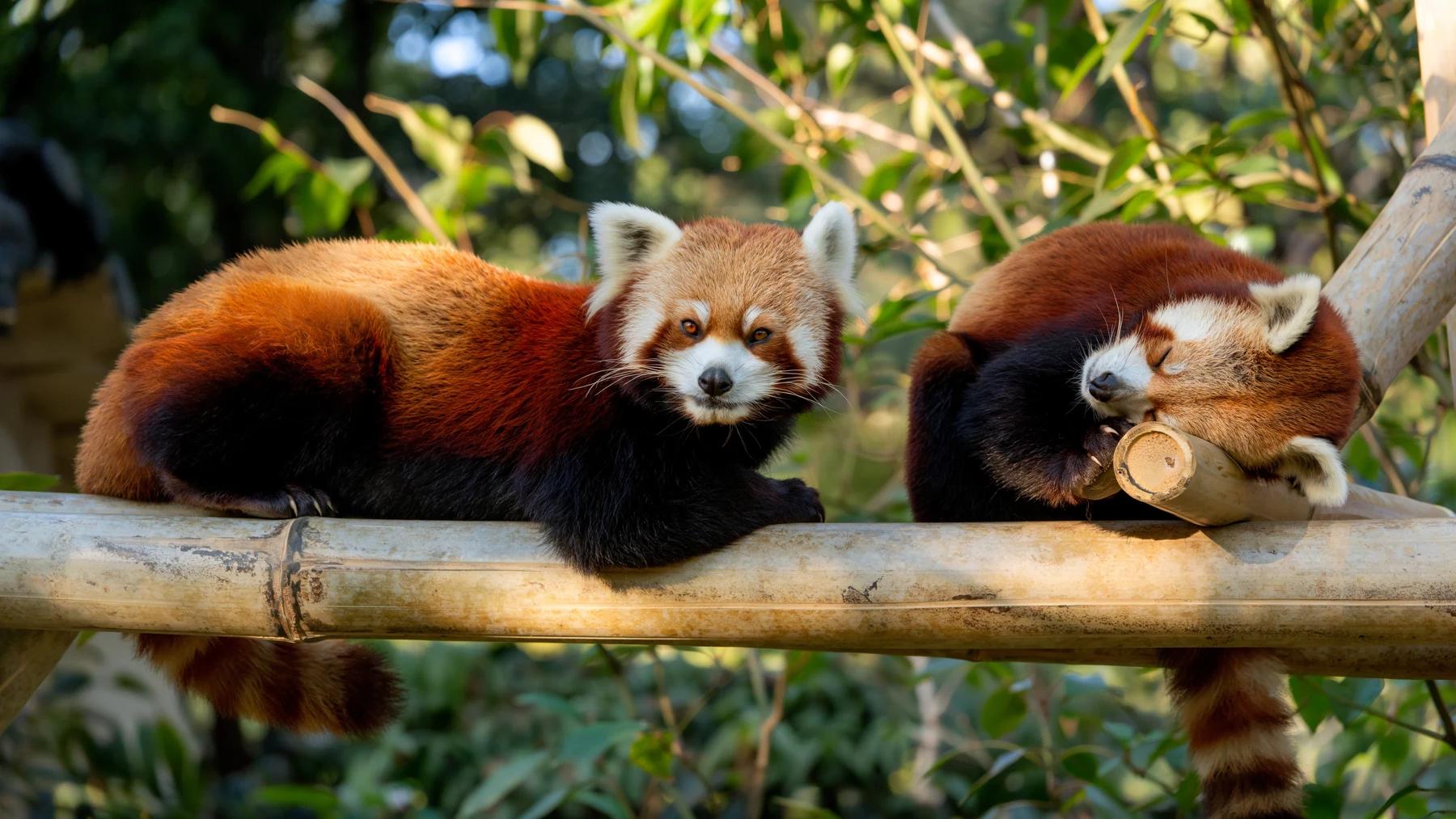
  Describe the subject, setting, light, and framing in `prompt`.

  <Frame>
    <img src="https://cdn.sanity.io/images/2gpum2i6/production/eef1a577855ea42fef99bf437c725c8323d0f1c8-1800x1013.webp" alt="Two red pandas resting on bamboo beams among green leaves, one alert and one asleep." />
  </Frame>

  <PromptDisplay prompt="Two red pandas resting on bamboo beams, one looking relaxed and the other asleep. Their reddish-brown fur and white facial markings stand out against the soft, blurred natural background, suggesting a peaceful, sunny environment." />

  ```python theme={null}
  generate({
      "prompt": (
          "Two red pandas resting on bamboo beams, one looking relaxed and the other asleep. "
          "Their reddish-brown fur and white facial markings stand out against the soft, "
          "blurred natural background, suggesting a peaceful, sunny environment."
      ),
      "aspect_ratio": "16:9",
      "resolution": "4k",
  }, name="red_pandas")
  ```

  To put text in the image, quote it exactly and say where it goes, for example
  `a paper poster on the wall that reads "OPEN LATE"`. To choose where each
  element appears, add [bounding boxes](/flux_3/flux3_image_layout) to the end
  of the prompt. The [prompting guide](/guides/prompting_summary) covers
  structure, style, lighting, and typography in depth.

  ## Examples

  Each image below was generated with FLUX 3 Image. Copy its prompt to start from it.

  ### Photorealistic

  <div className="flux3-usecase-slides flux3-image-slides">
    <ClipSlider
      items={[
{
image: "https://cdn.sanity.io/images/2gpum2i6/production/3e26933f5362d96aa85b68c3f9e19fb4f7d9835f-1800x1192.webp",
fit: "contain",
alt: "Two red pandas resting on a bamboo structure, one half asleep and one fully asleep.",
prompt: "Two red pandas resting on a bamboo structure. One is lying down with eyes partially open, while the other is fully asleep. Their reddish-brown fur contrasts with the light brown bamboo. The background is softly blurred with green and brown tones, suggesting a natural setting."
},
{
image: "https://cdn.sanity.io/images/2gpum2i6/production/f030452346578c40318af32c8f3ecb91ee3adffc-1800x1192.webp",
fit: "contain",
alt: "A snow-capped mountain range glowing orange and pink at sunset under soft clouds.",
prompt: "A breathtaking mountain range bathed in the warm glow of a sunset. The peaks, partially covered in snow, reflect hues of orange and pink. Fluffy clouds hover above, blending into a sky that transitions from golden to soft blue."
},
{
image: "https://cdn.sanity.io/images/2gpum2i6/production/2b8d383e03ff2f79c010dbd75cfe0053ceb9dde2-1800x1192.webp",
fit: "contain",
alt: "The Northern Lights glowing green and purple over a dark landscape under a starry sky.",
prompt: "A serene night scene with the Northern Lights casting a vibrant green and purplish glow across the sky. Stars dot the background, adding a speckled effect. A silhouette of hilly terrain outlines the horizon, and the colorful aurora and stars perfectly reflect in a still body of water, creating a symmetrical and tranquil visual."
},
{
image: "https://cdn.sanity.io/images/2gpum2i6/production/3a258758daf37d78e7d7b22f92c65c8c57521818-1800x1192.webp",
fit: "contain",
alt: "Three prairie dogs standing upright on a dirt mound in warm, golden light.",
prompt: "Three prairie dogs stand upright on a small dirt mound, facing the camera. The background is a blurred, sunlit field with golden hues, emphasizing the warm lighting. The prairie dogs appear alert, with a few green plants and scattered dry grass visible around them."
},
{
image: "https://cdn.sanity.io/images/2gpum2i6/production/85bbcd5e0b77baf9fd3c35d6551958cbd771ddd7-1800x1192.webp",
fit: "contain",
alt: "A busy street at night lined with bright Japanese signs and crowds of shoppers.",
prompt: "A bustling urban street scene filled with bright, colorful signs in Japanese, featuring numerous people engaged in shopping and walking. The atmosphere is lively, with illuminated storefronts and a prominent lamp post casting a warm glow. A giant ramen sign and various food images contribute to the vibrant street market vibe. The setting captures a typical busy street market scene, likely in Japan, during the evening."
},
{
image: "https://cdn.sanity.io/images/2gpum2i6/production/b13254437dafd1a8b74e4e6f673a75031f54027b-1800x1192.webp",
fit: "contain",
alt: "An aerial view of a waterfall falling down a rocky cliff into a misty pool in dense forest.",
prompt: "An aerial view of a waterfall cascading through a dense, verdant forest. The water flows down a rocky cliff into a pool, creating mist around the base. Lush, dark green trees surround the waterfall, contrasting with the lighter green grass visible in the bottom left. A pathway winds through the forest, leading towards the waterfall, suggesting a blend of untamed nature and human access."
},
{
image: "https://cdn.sanity.io/images/2gpum2i6/production/b9702979b380c61fff69e0bb747a45f0578fd81d-1800x1192.webp",
fit: "contain",
alt: "A calm autumn lake with golden trees reflected in the water and a wooden rowboat at the shore.",
prompt: "A tranquil autumn scene featuring a serene lake surrounded by vibrant, golden-hued trees reflecting in the calm water. In the foreground, a wooden rowboat gently rocks near the shore, and a family of ducks glides gracefully across the surface. The sky is overcast, casting a soft, diffused light that enhances the rich colors of the foliage. The air is crisp and cool, suggesting the peaceful transition from fall to winter."
},
{
image: "https://cdn.sanity.io/images/2gpum2i6/production/026cedbac59df79483d3440ff2aa2bf03434c2fc-1800x1192.webp",
fit: "contain",
alt: "Two clownfish swimming in a dimly lit aquarium in front of soft orange coral.",
prompt: "Two vibrant clownfish swimming together in a dimly lit aquarium. The water reflects warm, earthy tones, and the background features soft orange coral formations, creating an underwater atmosphere."
}
]}
    />
  </div>

  ### Typography & Design

  <div className="flux3-usecase-slides flux3-image-slides">
    <ClipSlider
      items={[
{
image: "https://cdn.sanity.io/images/2gpum2i6/production/488a6ce1990121bf58885f9c6c626a75b499d80e-1800x1800.webp",
fit: "contain",
alt: "A music event poster with large green type reading Open Air Register on deep blue.",
prompt: "Create a finished 1:1 graphic design artwork for an original fictional design study.\nART DIRECTION: Experimental music event poster: expressive typography with highly legible event details, luminous abstract forms, punchy spot colors, deliberate off-center rhythm. Midnight blue, coral and acid yellow.\nORIGINAL VISUAL: a cluster of translucent tuning-fork sculptures. Balance a small isolated subject against very large type.\nEXACT VISIBLE TITLE: \"Open Air Register\"\nEXACT SUPPORTING COPY: \"Outdoor listening / 05 December / 17:00\"\nUse the supporting copy as a carefully typeset secondary block; slashes indicate line breaks.\nCreate a coherent, distinctive new layout with readable text and intentional hierarchy. Full-bleed artwork, except for the requested packaging presentation. Keep important text at least 5 percent from all edges. Fine print texture and polished professional art direction. Use only the supplied visible copy. No real brands, logos, named artists, existing book covers, famous characters, copied campaign slogans, signatures, watermarks, QR codes or borrowed artwork. Invent all visual forms from this description; this is not a remake of a specific existing design."
},
{
image: "https://cdn.sanity.io/images/2gpum2i6/production/7824df14acf4677f3f7ce882ea8b92d985b1112a-1200x1600.webp",
fit: "contain",
alt: "A type-led poster reading Room Between Words, with oversized red letterforms and blue accents.",
prompt: "Create a finished 3:4 graphic design artwork for an original fictional design study.\nART DIRECTION: Type-led graphic poster with a newly composed layout and striking scale contrasts. Typography is the visual subject; use only supplied copy. Crisp ink, subtle paper grain, two strong colors with a neutral ground.\nORIGINAL VISUAL: title words at different scales joined by thin rules. Crop the main form boldly at one edge while keeping every word inside the trim.\nEXACT VISIBLE TITLE: \"Room Between Words\"\nEXACT SUPPORTING COPY: \"A small study in visual rhythm\"\nUse the supporting copy as a carefully typeset secondary block; slashes indicate line breaks.\nCreate a coherent, distinctive new layout with readable text and intentional hierarchy. Full-bleed artwork, except for the requested packaging presentation. Keep important text at least 5 percent from all edges. Fine print texture and polished professional art direction. Use only the supplied visible copy. No real brands, logos, named artists, existing book covers, famous characters, copied campaign slogans, signatures, watermarks, QR codes or borrowed artwork. Invent all visual forms from this description; this is not a remake of a specific existing design."
},
{
image: "https://cdn.sanity.io/images/2gpum2i6/production/9e8848b3caa90627b6ea181805a1e6c03f3647a7-1200x1812.webp",
fit: "contain",
alt: "A poster with large stacked red type reading Start Somewhere Soft on a warm cream background.",
prompt: "Create a finished 2:3 graphic design artwork for an original fictional design study.\nART DIRECTION: Type-led graphic poster with a newly composed layout and striking scale contrasts. Typography is the visual subject; use only supplied copy. Crisp ink, subtle paper grain, two strong colors with a neutral ground.\nORIGINAL VISUAL: rounded title lettering on a sharply divided color field. Balance a small isolated subject against very large type.\nEXACT VISIBLE TITLE: \"Start Somewhere Soft\"\nEXACT SUPPORTING COPY: \"Open studio / All ideas welcome\"\nUse the supporting copy as a carefully typeset secondary block; slashes indicate line breaks.\nCreate a coherent, distinctive new layout with readable text and intentional hierarchy. Full-bleed artwork, except for the requested packaging presentation. Keep important text at least 5 percent from all edges. Fine print texture and polished professional art direction. Use only the supplied visible copy. No real brands, logos, named artists, existing book covers, famous characters, copied campaign slogans, signatures, watermarks, QR codes or borrowed artwork. Invent all visual forms from this description; this is not a remake of a specific existing design."
},
{
image: "https://cdn.sanity.io/images/2gpum2i6/production/3042255e7cc3c2638f41bc5adc33bc87ecc2430c-1800x1800.webp",
fit: "contain",
alt: "A community program poster reading Night Window Notes, with a blue window grid and red type.",
prompt: "Create a finished 1:1 graphic design artwork for an original fictional design study.\nART DIRECTION: Invented community program poster: practical information paired with a playful custom illustration, sophisticated modular spacing without generic cards. Tomato, sky blue and natural paper. No actual organization identities.\nORIGINAL VISUAL: a grid of glowing windows with one handwritten paper square. Balance a small isolated subject against very large type.\nEXACT VISIBLE TITLE: \"Night Window Notes\"\nEXACT SUPPORTING COPY: \"A neighborhood writing evening / Thursday 19:00\"\nUse the supporting copy as a carefully typeset secondary block; slashes indicate line breaks.\nCreate a coherent, distinctive new layout with readable text and intentional hierarchy. Full-bleed artwork, except for the requested packaging presentation. Keep important text at least 5 percent from all edges. Fine print texture and polished professional art direction. Use only the supplied visible copy. No real brands, logos, named artists, existing book covers, famous characters, copied campaign slogans, signatures, watermarks, QR codes or borrowed artwork. Invent all visual forms from this description; this is not a remake of a specific existing design."
},
{
image: "https://cdn.sanity.io/images/2gpum2i6/production/61bce4d7d5cf8d2d5cadfee09f1b7f2165780223-1800x1350.webp",
fit: "contain",
alt: "An optical black and white poster reading Bend the Silence, cut by a vivid orange plane.",
prompt: "Create a finished 4:3 original experimental graphic design artwork.\nDESIGN LANGUAGE: Black and white optical geometry interrupted by one vivid orange plane. Thin parallel lines bend around negative-space lettering; use precise printing and a highly original spatial illusion.\nUNIQUE VISUAL IDEA: a long curved corridor whose striped walls become the negative space of the title.\nCOMPOSITION: Build a strongly asymmetric composition with one enormous focal gesture and a tightly aligned small caption. Let this specific visual idea determine the layout. Preserve its conceptual surprise.\nEXACT TITLE: \"BEND THE SILENCE\"\nEXACT SECONDARY COPY: \"Listening has a shape.\"\nArtwork fills the image; no framed poster mockup and no presentation board.\nThe title must be confidently typeset and readable. The small supplied sentence is the only supporting copy. No invented filler paragraphs. Type should feel integral to the material, scene or composition, not automatically placed as a generic heading over a small centered object. Design a visually adventurous, professionally resolved piece with clear hierarchy, deliberate contrast and rich details. Use fresh invented imagery and original letter arrangements; do not reproduce any existing poster, brand, logo, artwork, artist signature, campaign, famous character or reference photograph. No reference image is supplied. No watermarks, web addresses or QR codes."
},
{
image: "https://cdn.sanity.io/images/2gpum2i6/production/ea83280c7eb142d8f4643a0fb64a520fce0047ba-1200x1600.webp",
fit: "contain",
alt: "An editorial spread with giant letterforms reading Notes from an Empty Pool across orange and white.",
prompt: "Create a finished 3:4 original experimental graphic design artwork.\nDESIGN LANGUAGE: Experimental flat double-page editorial spread. Giant letterforms cross the central gutter, tiny photographs interrupt the grid, one vivid field contrasts with a grayscale image field. Supplied copy only, no filler paragraphs.\nUNIQUE VISUAL IDEA: overhead photographs of an invented empty swimming pool interrupted by enormous circular letter counters.\nCOMPOSITION: Make the visual and title physically interact across most of the canvas; use intentional overlap while preserving legibility. Let this specific visual idea determine the layout. Preserve its conceptual surprise.\nEXACT TITLE: \"NOTES FROM AN EMPTY POOL\"\nEXACT SECONDARY COPY: \"Deep end / No water required.\"\nShow the complete designed double-page spread, filling the image, with a narrow visible gutter.\nThe title must be confidently typeset and readable. The small supplied sentence is the only supporting copy. No invented filler paragraphs. Type should feel integral to the material, scene or composition, not automatically placed as a generic heading over a small centered object. Design a visually adventurous, professionally resolved piece with clear hierarchy, deliberate contrast and rich details. Use fresh invented imagery and original letter arrangements; do not reproduce any existing poster, brand, logo, artwork, artist signature, campaign, famous character or reference photograph. No reference image is supplied. No watermarks, web addresses or QR codes."
},
{
image: "https://cdn.sanity.io/images/2gpum2i6/production/f88ebefd91598e48647da176d4006bcc0b9f6b56-1800x1350.webp",
fit: "contain",
alt: "Sewn inflatable letters reading Air Is Taking a Stand, lit theatrically on a blue backdrop.",
prompt: "Create a finished 4:3 original experimental graphic design artwork.\nDESIGN LANGUAGE: Tactile sewn inflatable objects, exaggerated seams, theatrical hard lighting, a bold saturated background. Title made of inflated forms with visible air valves; assertive graphic framing.\nUNIQUE VISUAL IDEA: inflated pillar-shaped letters leaning together like a soft crowd.\nCOMPOSITION: Make the visual and title physically interact across most of the canvas; use intentional overlap while preserving legibility. Let this specific visual idea determine the layout. Preserve its conceptual surprise.\nEXACT TITLE: \"AIR IS TAKING A STAND\"\nEXACT SECONDARY COPY: \"Firm ideas / Flexible structure.\"\nArtwork fills the image; no framed poster mockup and no presentation board.\nThe title must be confidently typeset and readable. The small supplied sentence is the only supporting copy. No invented filler paragraphs. Type should feel integral to the material, scene or composition, not automatically placed as a generic heading over a small centered object. Design a visually adventurous, professionally resolved piece with clear hierarchy, deliberate contrast and rich details. Use fresh invented imagery and original letter arrangements; do not reproduce any existing poster, brand, logo, artwork, artist signature, campaign, famous character or reference photograph. No reference image is supplied. No watermarks, web addresses or QR codes."
},
{
image: "https://cdn.sanity.io/images/2gpum2i6/production/9cf11af81ca36320bbd3188f5826240df352f434-1800x1800.webp",
fit: "contain",
alt: "A surreal installation poster reading The Chair Remembers Flight, with colored filters and a chair.",
prompt: "Create a finished 1:1 original experimental graphic design artwork.\nDESIGN LANGUAGE: A surreal photographic installation seen through colored filters. Several sharp incompatible shadows tell a second story. Monumental spare title with expansive saturated negative space.\nUNIQUE VISUAL IDEA: a bare metal chair whose three colored shadows form separate wing shapes.\nCOMPOSITION: Make the visual and title physically interact across most of the canvas; use intentional overlap while preserving legibility. Let this specific visual idea determine the layout. Preserve its conceptual surprise.\nEXACT TITLE: \"THE CHAIR REMEMBERS FLIGHT\"\nEXACT SECONDARY COPY: \"Sit with an impossible idea.\"\nArtwork fills the image; no framed poster mockup and no presentation board.\nThe title must be confidently typeset and readable. The small supplied sentence is the only supporting copy. No invented filler paragraphs. Type should feel integral to the material, scene or composition, not automatically placed as a generic heading over a small centered object. Design a visually adventurous, professionally resolved piece with clear hierarchy, deliberate contrast and rich details. Use fresh invented imagery and original letter arrangements; do not reproduce any existing poster, brand, logo, artwork, artist signature, campaign, famous character or reference photograph. No reference image is supplied. No watermarks, web addresses or QR codes."
}
]}
    />
  </div>

  ### Infographics

  <div className="flux3-usecase-slides flux3-image-slides">
    <ClipSlider
      items={[
{
image: "https://cdn.sanity.io/images/2gpum2i6/production/3e48c60fc2e9b033fa122191bcfe4aa28dd6ac6a-1800x1800.webp",
fit: "contain",
alt: "An infographic poster titled The Garden of Misplaced Apostrophes, with a winding comma-shaped topiary path.",
prompt: "Create a finished 1:1 long-form infographic poster. This is a TEXT-RICH graphic design study. Give the artwork a memorable composition specific to its concept, with roughly half the area for legible longer text. Integrate the prose into the authored visual arrangement; do not default to repeated cards or a generic five-panel grid.\nART DIRECTION: Warm risograph-like texture, burgundy and sage with visible paper grain, bold headlines and clean readable text. Invent a bespoke central diagram specifically for this concept: the garden of misplaced apostrophes. Shape the composition around the relationships in the brief, not a reusable card grid. The prose should occupy clear uncluttered areas alongside the diagram. Keep a strong reading sequence, large body text and no text over detailed illustration.\nVISUAL SUBJECT: A central, winding topiary path shaped like a giant comma. At each bend, stylized plants represent different grammatical rules. The Cyclops Fern has one large leaf, while the Neighbors' Ivy intertwines multiple stems. Faded burgundy shop signs float above the sage-colored foliage, with glowing red apostrophes highlighting the specific placement errors discussed in the text.\nSOURCE BRIEF FOR DIAGRAM CONTENT: Turn punctuation errors into a whimsical planted landscape; explain how placement changes ownership, omission and the reading of invented shop names.\nEXACT VISIBLE COPY, reproduce every sentence verbatim with correct spelling and punctuation. The headings below describe layout roles and are not extra printed words.\nTITLE: \"THE GARDEN OF MISPLACED APOSTROPHES\"\nINTRODUCTION: \"Wander through a botanical sanctuary where errant punctuation sprouts into strange life, demonstrating how a single floating mark reshapes the ownership of every leaf.\"\nSECTION 1 HEADING: \"The Singular Shift\"\nSECTION 1 BODY: \"Look at the Cyclops Fern. When the mark sits before the 's', the entire plant belongs to one lonely gardener. This possessive placement anchors the identity to a solitary figure, turning a communal thicket into a private, guarded specimen.\"\nSECTION 2 HEADING: \"Plurality in Bloom\"\nSECTION 2 BODY: \"Beside the path, the Neighbors' Ivy displays the mark after the 's'. Here, the punctuation indicates shared ownership between multiple inhabitants. The vine stretches across fences, signifying a collective boundary that changes based entirely on where the tiny hook lands.\"\nSECTION 3 HEADING: \"Vanishing Omissions\"\nSECTION 3 BODY: \"The 'Its' Orchid suffers when an apostrophe is forced into its name. A contraction implies the plant 'is' something else, while the clean, unmarked version claims true possession. Misplacing this speck creates a linguistic weed that chokes the intended meaning.\"\nSECTION 4 HEADING: \"Signage and Shadows\"\nSECTION 4 BODY: \"Forged shop signs like 'Joes Pizzas' hang over the beds. Without the necessary mark, the name suggests a terrifying army of men named Joe rather than a single owner. The missing curve strips the personhood from the humble storefront.\"\nBOTTOM TAKEAWAY: \"In this landscape, punctuation acts as the root system, dictating whether a noun stands alone or belongs to a crowd.\"\nFOOTER: \"A creative design study\"\nTYPESETTING: The 218 words of supplied prose are essential visual content, not instructions to summarize. Set complete paragraphs in comfortably readable body type, roughly 30–36 pixels at a 2K long edge. Short line lengths, generous leading and at least 5 percent exterior margins. Headings clearly larger than body text. Keep all 4 sections, introduction and takeaway fully visible. Add only the supplied diagram labels where needed. Avoid duplicate paragraphs, invented filler, ellipses, illegible pseudo-text or cut-off sentences. Keep diagram lines away from prose. A polished flat artwork filling the whole image, not a framed mockup."
},
{
image: "https://cdn.sanity.io/images/2gpum2i6/production/ca59e15b9746af58a3d83056eb7dee5e9fec70ce-1800x1800.webp",
fit: "contain",
alt: "A hot pink technical schematic on black titled The Blueprint of a Paper Crown, with an exploded crown.",
prompt: "Create a finished 1:1 long-form infographic poster. This is a TEXT-RICH graphic design study. Give the artwork a memorable composition specific to its concept, with roughly half the area for legible longer text. Integrate the prose into the authored visual arrangement; do not default to repeated cards or a generic five-panel grid.\nART DIRECTION: Experimental contemporary typography, black and hot pink, mixed large and small scales with highly legible prose. Invent a bespoke central diagram specifically for this concept: the blueprint of a paper crown. Shape the composition around the relationships in the brief, not a reusable card grid. The prose should occupy clear uncluttered areas alongside the diagram. Keep a strong reading sequence, large body text and no text over detailed illustration.\nVISUAL SUBJECT: A technical schematic rendered in hot pink against a black void. A deconstructed crown appears as a flat, unrolled strip at the bottom, while a central exploded view shows the three-dimensional assembly. Dotted lines trace the arc of the seam, connecting the flat notches to a floating, holographic circular crown hovering in the upper center.\nSOURCE BRIEF FOR DIAGRAM CONTENT: Explore how flat printed symbols become theatrical authority through notches, a circular seam, height and repeated motifs.\nEXACT VISIBLE COPY, reproduce every sentence verbatim with correct spelling and punctuation. The headings below describe layout roles and are not extra printed words.\nTITLE: \"THE BLUEPRINT OF A PAPER CROWN\"\nINTRODUCTION: \"Discover how mundane cardstock transforms into a symbol of temporary majesty through precise geometry, serrated peaks, and the structural alchemy of a simple closed loop.\"\nSECTION 1 HEADING: \"The Serrated Silhouette\"\nSECTION 1 BODY: \"A crown begins with the rhythmic repetition of isosceles triangles. These jagged peaks create a visual shorthand for fortresses and solar rays. By cutting sharp notches into the upper margin, the flat material sheds its utility and adopts a ceremonial jaggedness.\"\nSECTION 2 HEADING: \"Tensile Sovereignty\"\nSECTION 2 BODY: \"Authority requires a seam. When the two ends meet, the flat plane buckles into a rigid cylinder. This tension allows the paper to support its own weight, turning a flimsy sheet into a self-supporting ring that grips the wearer’s temples.\"\nSECTION 3 HEADING: \"Graphic Embellishment\"\nSECTION 3 BODY: \"Printed motifs serve as fictional jewels. Large circles and bold lines mimic the weight of heavy gold without the physical burden. These symbols provide the optical illusion of value, using ink to trick the eye into seeing depth and preciousness.\"\nBOTTOM TAKEAWAY: \"True power lies in the notch and the fold, proving that even paper can command a room when shaped with intent.\"\nFOOTER: \"A creative design study\"\nTYPESETTING: The 180 words of supplied prose are essential visual content, not instructions to summarize. Set complete paragraphs in comfortably readable body type, roughly 30–36 pixels at a 2K long edge. Short line lengths, generous leading and at least 5 percent exterior margins. Headings clearly larger than body text. Keep all 3 sections, introduction and takeaway fully visible. Add only the supplied diagram labels where needed. Avoid duplicate paragraphs, invented filler, ellipses, illegible pseudo-text or cut-off sentences. Keep diagram lines away from prose. A polished flat artwork filling the whole image, not a framed mockup."
},
{
image: "https://cdn.sanity.io/images/2gpum2i6/production/87c74ccd2ea54d0be0b6b1b92a3cc5576f483f92-1200x1812.webp",
fit: "contain",
alt: "A woodcut-style infographic titled The History of an Imaginary Sport, with ochre paths spiraling from a balance beam.",
prompt: "Create a finished 2:3 long-form infographic poster. This is a TEXT-RICH graphic design study. Give the artwork a memorable composition specific to its concept, with roughly half the area for legible longer text. Integrate the prose into the authored visual arrangement; do not default to repeated cards or a generic five-panel grid.\nART DIRECTION: Graphic woodcut-like silhouettes, saturated ochre and ink black, strong contours and undistracted text blocks. Invent a bespoke central diagram specifically for this concept: the history of an imaginary sport. Shape the composition around the relationships in the brief, not a reusable card grid. The prose should occupy clear uncluttered areas alongside the diagram. Keep a strong reading sequence, large body text and no text over detailed illustration.\nVISUAL SUBJECT: A central woodcut-style diagram features a stylized balance beam topped with jagged obsidian silhouettes. Saturated ochre paths spiral outward from the fulcrum, connecting the three text blocks. Thick ink-black contours define the copper discs and the brass chime, while the lunar phase boundaries divide the field into a bold, geometric composition.\nSOURCE BRIEF FOR DIAGRAM CONTENT: Invent a playful nonviolent tabletop sport with distinct equipment silhouettes, a symbolic field and an explicitly fictional origin story.\nEXACT VISIBLE COPY, reproduce every sentence verbatim with correct spelling and punctuation. The headings below describe layout roles and are not extra printed words.\nTITLE: \"THE HISTORY OF AN IMAGINARY SPORT\"\nINTRODUCTION: \"Discover the peculiar evolution of Pebble-Staking, a tabletop pastime born from bored lighthouse keepers who balanced jagged obsidian shards atop rocking harbor buoys.\"\nSECTION 1 HEADING: \"The Origin of the Fulcrum\"\nSECTION 1 BODY: \"Legend claims a stranded mariner carved the first 'Leaning Spire' from whalebone. Players used miniature leaden anchors to tip the central balance beam without toppling the precarious stacks of river stones, turning maritime physics into a tense parlor competition.\"\nSECTION 2 HEADING: \"Evolution of the Pitch\"\nSECTION 2 BODY: \"Modern matches occur on a circular velvet field divided into lunar phases. Contestants slide flat copper discs toward the center, attempting to wedge their markers beneath the opponent’s base. One slip collapses the entire structure, ending the match instantly.\"\nSECTION 3 HEADING: \"The Great Gong Tradition\"\nSECTION 3 BODY: \"Victory is declared only when the winner strikes a tiny brass chime with a feathered mallet. This ritual symbolizes the lighthouse bell, signaling safety through the fog. The sport remains a quiet test of steady hands and rhythmic breathing.\"\nBOTTOM TAKEAWAY: \"Pebble-Staking celebrates the delicate balance between stillness and gravity using only friction and focus.\"\nFOOTER: \"A creative design study\"\nTYPESETTING: The 173 words of supplied prose are essential visual content, not instructions to summarize. Set complete paragraphs in comfortably readable body type, roughly 30–36 pixels at a 2K long edge. Short line lengths, generous leading and at least 5 percent exterior margins. Headings clearly larger than body text. Keep all 3 sections, introduction and takeaway fully visible. Add only the supplied diagram labels where needed. Avoid duplicate paragraphs, invented filler, ellipses, illegible pseudo-text or cut-off sentences. Keep diagram lines away from prose. A polished flat artwork filling the whole image, not a framed mockup."
},
{
image: "https://cdn.sanity.io/images/2gpum2i6/production/e9e429c91b673cc56b3ba4ba2f624b86ff4c50bd-1800x1800.webp",
fit: "contain",
alt: "An ochre and black infographic titled The Anatomy of a Stage Direction, with a hand reaching toward a lamp.",
prompt: "Create a finished 1:1 long-form infographic poster. This is a TEXT-RICH graphic design study. Give the artwork a memorable composition specific to its concept, with roughly half the area for legible longer text. Integrate the prose into the authored visual arrangement; do not default to repeated cards or a generic five-panel grid.\nART DIRECTION: Graphic woodcut-like silhouettes, saturated ochre and ink black, strong contours and undistracted text blocks. Invent a bespoke central diagram specifically for this concept: the anatomy of a stage direction. Shape the composition around the relationships in the brief, not a reusable card grid. The prose should occupy clear uncluttered areas alongside the diagram. Keep a strong reading sequence, large body text and no text over detailed illustration.\nVISUAL SUBJECT: A central diagram features a thick, ink-black silhouette of a hand reaching toward a stark ochre lamp. Stylized vectors emerge from the hand, branching into three distinct paths: one leading to a block of dialogue, another to a clock face representing the pause, and a third to a sliding map. The ochre background provides a high-contrast negative space.\nSOURCE BRIEF FOR DIAGRAM CONTENT: An original short script becomes a visual diagram linking spoken words, a gesture, a pause and an unexpected prop movement.\nEXACT VISIBLE COPY, reproduce every sentence verbatim with correct spelling and punctuation. The headings below describe layout roles and are not extra printed words.\nTITLE: \"THE ANATOMY OF A STAGE DIRECTION\"\nINTRODUCTION: \"Discover how a single line of instructional text transforms static ink into a synchronized mechanical ballet of physical motion, silence, and sudden prop utility.\"\nSECTION 1 HEADING: \"The Pivot of Action\"\nSECTION 1 BODY: \"A scriptural command dictates when a hand reaches for a heavy brass lamp. This physical anchor connects the character’s internal tension to the tangible world, forcing the actor to navigate the distance between a spoken threat and a violent grasp.\"\nSECTION 2 HEADING: \"The Weight of Silence\"\nSECTION 2 BODY: \"The pause serves as a structural void where the audience breathes. It is not empty space but a pressurized interval that gives the subsequent gesture its impact, ensuring the clatter of a falling chair resonates louder than any shouted dialogue.\"\nSECTION 3 HEADING: \"The Prop Narrative\"\nSECTION 3 BODY: \"When a map slides across a table, the inanimate object gains agency. This specific movement redirects the viewer's gaze, shifting the focus from the speaker’s face to the physical evidence of the plot, cementing the reality of the unfolding drama.\"\nBOTTOM TAKEAWAY: \"Drama lives in the friction between the written word and the physical constraints of the performance space.\"\nFOOTER: \"A creative design study\"\nTYPESETTING: The 178 words of supplied prose are essential visual content, not instructions to summarize. Set complete paragraphs in comfortably readable body type, roughly 30–36 pixels at a 2K long edge. Short line lengths, generous leading and at least 5 percent exterior margins. Headings clearly larger than body text. Keep all 3 sections, introduction and takeaway fully visible. Add only the supplied diagram labels where needed. Avoid duplicate paragraphs, invented filler, ellipses, illegible pseudo-text or cut-off sentences. Keep diagram lines away from prose. A polished flat artwork filling the whole image, not a framed mockup."
},
{
image: "https://cdn.sanity.io/images/2gpum2i6/production/72bd338e66122442e63c842c82eb58d25f92dc79-1800x1800.webp",
fit: "contain",
alt: "An infographic titled The Language of a Hand-Painted Scoreboard, showing an exploded scoreboard module.",
prompt: "Create a finished 1:1 long-form infographic poster. This is a TEXT-RICH graphic design study. Give the artwork a memorable composition specific to its concept, with roughly half the area for legible longer text. Integrate the prose into the authored visual arrangement; do not default to repeated cards or a generic five-panel grid.\nART DIRECTION: Detailed colored-pencil illustration with modern typographic hierarchy, terracotta, indigo and natural paper white. Invent a bespoke central diagram specifically for this concept: the language of a hand-painted scoreboard. Shape the composition around the relationships in the brief, not a reusable card grid. The prose should occupy clear uncluttered areas alongside the diagram. Keep a strong reading sequence, large body text and no text over detailed illustration.\nVISUAL SUBJECT: A central diagram depicts a disassembled scoreboard module. Exploded views show the heavy iron hooks, the chipped indigo plywood backing, and a set of hand-lettered terracotta numerals. Dotted lines connect these components to the three text blocks, illustrating how the physical weight of the timber interacts with the painted typography to form a cohesive visual language.\nSOURCE BRIEF FOR DIAGRAM CONTENT: A fictional local game display uses movable numerals, worn color fields and irregular lettering to create a communal graphic identity.\nEXACT VISIBLE COPY, reproduce every sentence verbatim with correct spelling and punctuation. The headings below describe layout roles and are not extra printed words.\nTITLE: \"THE LANGUAGE OF A HAND-PAINTED SCOREBOARD\"\nINTRODUCTION: \"Local athletics rely on weather-beaten plywood and manual labor to broadcast the drama of the game through tactile, hand-lettered graphic systems and shifting pigments.\"\nSECTION 1 HEADING: \"The Anatomy of Weathered Pigment\"\nSECTION 1 BODY: \"Layers of indigo paint crack under relentless sun, revealing previous seasons’ scores beneath the surface. These worn color fields function as a communal palimpsest, where the physical erosion of the board reflects the long, gritty history of the local playing field.\"\nSECTION 2 HEADING: \"Glyphs of Human Error\"\nSECTION 2 BODY: \"Movable wooden numerals feature irregular serifs and inconsistent widths, rejecting the clinical perfection of digital displays. Each digit carries the distinct weight of its maker’s brushstrokes, turning simple statistics into a visible dialogue between the scorekeeper and the watching crowd.\"\nSECTION 3 HEADING: \"Terracotta and Indigo Logic\"\nSECTION 3 BODY: \"The high-contrast palette uses earthy terracotta for home totals and deep indigo for visitors, ensuring legibility across the dusty expanse. This color logic establishes a regional aesthetic identity that prioritizes rugged utility over the fleeting trends of modern sports branding.\"\nBOTTOM TAKEAWAY: \"The scoreboard survives as a functional sculpture, celebrating the imperfect beauty of manual record-keeping in a digital age.\"\nFOOTER: \"A creative design study\"\nTYPESETTING: The 182 words of supplied prose are essential visual content, not instructions to summarize. Set complete paragraphs in comfortably readable body type, roughly 30–36 pixels at a 2K long edge. Short line lengths, generous leading and at least 5 percent exterior margins. Headings clearly larger than body text. Keep all 3 sections, introduction and takeaway fully visible. Add only the supplied diagram labels where needed. Avoid duplicate paragraphs, invented filler, ellipses, illegible pseudo-text or cut-off sentences. Keep diagram lines away from prose. A polished flat artwork filling the whole image, not a framed mockup."
},
{
image: "https://cdn.sanity.io/images/2gpum2i6/production/5520d6605e4f64ab0f8d9868e93e01b882a9a4c9-1800x1800.webp",
fit: "contain",
alt: "An infographic titled The Afterimage Factory, with a red circle and fading ghost outlines on charcoal.",
prompt: "Create a finished 1:1 long-form infographic poster. This is a TEXT-RICH graphic design study. Give the artwork a memorable composition specific to its concept, with roughly half the area for legible longer text. Integrate the prose into the authored visual arrangement; do not default to repeated cards or a generic five-panel grid.\nART DIRECTION: A brilliant red circle passes through three translucent ghost outlines on charcoal, wide white reading bands, technical registration marks.\nVISUAL SUBJECT: A vibrant red circle sits at the far left of a charcoal field. Extending to the right, three translucent, desaturated ghost outlines overlap, mimicking a motion trail. Wide white horizontal bands anchor the text blocks, while thin technical registration marks and crosshairs surround the shapes to emphasize the factory's clinical, manufactured approach to visual echoes.\nSOURCE BRIEF FOR DIAGRAM CONTENT: A fictional studio makes visual echoes from bright shapes, explicitly an artistic metaphor rather than medical explanation.\nEXACT VISIBLE COPY, reproduce every sentence verbatim with correct spelling and punctuation. The headings below describe layout roles and are not extra printed words.\nTITLE: \"THE AFTERIMAGE FACTORY\"\nINTRODUCTION: \"This fictional studio treats optical fatigue as a manufacturing process, refining the stubborn ghosts left behind when brilliant light sources vanish from view.\"\nSECTION 1 HEADING: \"Retinal Stamping\"\nSECTION 1 BODY: \"Technicians project high-intensity primary hues onto charcoal backdrops. By overstimulating specific receptors, they force the eye to fabricate complementary shades that exist only within the observer’s perception.\"\nSECTION 2 HEADING: \"Phosphor Drag\"\nSECTION 2 BODY: \"The factory mimics the physical smear of movement. When a scarlet disc shifts rapidly, it leaves a trail of cyan silhouettes, creating a rhythmic sequence of fading architectural imprints.\"\nSECTION 3 HEADING: \"Static Decay\"\nSECTION 3 BODY: \"Each translucent outline represents a distinct stage of visual evaporation. These echoes lose saturation and structural integrity as the brain attempts to recalibrate its sense of neutral white balance.\"\nSECTION 4 HEADING: \"Registration Marks\"\nSECTION 4 BODY: \"Precise crosshairs align the phantom shapes with the original catalyst. These technical guides ensure the subjective hallucination remains tethered to the geometric reality of the initial brilliant red circle.\"\nSECTION 5 HEADING: \"Ghost Harvesting\"\nSECTION 5 BODY: \"Artisans capture these fleeting impressions before they dissolve into darkness. The resulting compositions stabilize the transient nature of sight, turning a biological glitch into a permanent graphic record.\"\nBOTTOM TAKEAWAY: \"The studio proves that what we see after the light dies is as structurally significant as the original flash.\"\nFOOTER: \"A creative design study\"\nTYPESETTING: The 197 words of supplied prose are essential visual content, not instructions to summarize. Set complete paragraphs in comfortably readable body type, roughly 26–32 pixels at a 2K long edge. Short line lengths, generous leading and at least 5 percent exterior margins. Headings clearly larger than body text. Keep all 5 sections, introduction and takeaway fully visible. Add only the supplied diagram labels where needed. Avoid duplicate paragraphs, invented filler, ellipses, illegible pseudo-text or cut-off sentences. Keep diagram lines away from prose. A polished flat artwork filling the whole image, not a framed mockup."
},
{
image: "https://cdn.sanity.io/images/2gpum2i6/production/be330cdce4458ec7e722f8406a2ae572fc9a1017-1200x1812.webp",
fit: "contain",
alt: "A cross-section of a copper kettle as a tiny concert hall, titled The Orchestra Inside a Kettle.",
prompt: "Create a finished 2:3 long-form infographic poster. This is a TEXT-RICH graphic design study. Give the artwork a memorable composition specific to its concept, with roughly half the area for legible longer text. Integrate the prose into the authored visual arrangement; do not default to repeated cards or a generic five-panel grid.\nART DIRECTION: Cutaway copper kettle with miniature instruments and steam shaped as music staffs; cream ground, turquoise arrows, classic concert-program typography and long captions.\nVISUAL SUBJECT: A detailed cross-section of a vintage copper kettle reveals a multi-tiered concert hall. Tiny figures with violins occupy the curved walls, while percussionists stand on the heating coil. Turquoise arrows trace the path of steam as it twists into musical staves, connecting the internal instruments to the whistling spout against a calm cream background.\nSOURCE BRIEF FOR DIAGRAM CONTENT: An ordinary kettle becomes a tiny fictional orchestra whose parts contribute different textures.\nEXACT VISIBLE COPY, reproduce every sentence verbatim with correct spelling and punctuation. The headings below describe layout roles and are not extra printed words.\nTITLE: \"THE ORCHESTRA INSIDE A KETTLE\"\nINTRODUCTION: \"Beneath the copper dome, a miniature ensemble waits for the pilot light. As heat rises, household utility transforms into a complex, multi-layered symphonic performance.\"\nSECTION 1 HEADING: \"Percussion of the Base\"\nSECTION 1 BODY: \"The base plate acts as a massive percussion section. As the heating element glows, microscopic hammers strike the metal floor, creating a rhythmic, rhythmic ticking that signals the overture’s beginning.\"\nSECTION 2 HEADING: \"The Bubbling Woodwinds\"\nSECTION 2 BODY: \"Tiny flutists ride the rising bubbles, their notes popping as they reach the surface. This chaotic staccato mimics the frantic pace of a forest stream, providing a textured, liquid woodwind melody.\"\nSECTION 3 HEADING: \"Convex String Section\"\nSECTION 3 BODY: \"Copper walls reflect sound like a cello’s body. Micro-violinists perched on the interior rivets draw bows across tensioned wires, amplifying the resonance as the water temperature reaches a steady, vibrating hum.\"\nSECTION 4 HEADING: \"Steam Pipe Brass\"\nSECTION 4 BODY: \"Pressure builds toward the spout, where a miniature brass brigade waits. They channel the escaping vapor through narrow valves, turning raw kinetic energy into a sustained, piercing high-note finale that commands attention.\"\nSECTION 5 HEADING: \"The Hissing Choir\"\nSECTION 5 BODY: \"A ghostly choir of mist-dwellers sings in the condensation. Their voices are white noise, filling the gaps between mechanical clinks with a soft, atmospheric blur that softens the sharp edges of the metal.\"\nBOTTOM TAKEAWAY: \"Every morning ritual contains a hidden concert; once the whistle blows, the tiny conductor finally takes a bow.\"\nFOOTER: \"A creative design study\"\nTYPESETTING: The 220 words of supplied prose are essential visual content, not instructions to summarize. Set complete paragraphs in comfortably readable body type, roughly 26–32 pixels at a 2K long edge. Short line lengths, generous leading and at least 5 percent exterior margins. Headings clearly larger than body text. Keep all 5 sections, introduction and takeaway fully visible. Add only the supplied diagram labels where needed. Avoid duplicate paragraphs, invented filler, ellipses, illegible pseudo-text or cut-off sentences. Keep diagram lines away from prose. A polished flat artwork filling the whole image, not a framed mockup."
},
{
image: "https://cdn.sanity.io/images/2gpum2i6/production/ef886864f43fa2227e14e0c366a862e2195d8248-1800x1800.webp",
fit: "contain",
alt: "A top-down suitcase in cobalt and peach with one exploded layer, titled The Shapes of a Packed Suitcase.",
prompt: "Create a finished 1:1 long-form infographic poster. This is a TEXT-RICH graphic design study. Give the artwork a memorable composition specific to its concept, with roughly half the area for legible longer text. Integrate the prose into the authored visual arrangement; do not default to repeated cards or a generic five-panel grid.\nART DIRECTION: A top-down suitcase uses brightly colored geometric luggage silhouettes, one exploded packing layer, cobalt and peach, four clear editorial commentary fields.\nVISUAL SUBJECT: A top-down view shows a suitcase filled with cobalt and peach geometric silhouettes representing clothes and gear. One central layer is exploded upward, revealing how a ceramic jar fits into a nest of rolled fabrics. Four thin lines connect the editorial fields to specific interlocking shapes, highlighting the structural logic of the packed luggage.\nSOURCE BRIEF FOR DIAGRAM CONTENT: An imagined journey is told through the spatial puzzle of objects inside a suitcase.\nEXACT VISIBLE COPY, reproduce every sentence verbatim with correct spelling and punctuation. The headings below describe layout roles and are not extra printed words.\nTITLE: \"THE SHAPES OF A PACKED SUITCASE\"\nINTRODUCTION: \"This imagined journey unfolds through the spatial puzzle of objects tucked into a suitcase, where personal belongings map a fictional traveler’s destination.\"\nSECTION 1 HEADING: \"The Heavy Foundations\"\nSECTION 1 BODY: \"Sturdy leather boots anchor the bottom corners, providing a weighted base for lighter garments. Their rigid soles act as internal walls, shielding delicate souvenirs from the shifting pressure of transport.\"\nSECTION 2 HEADING: \"Interlocking Textile Grids\"\nSECTION 2 BODY: \"Rolled linens and folded cottons create a soft mosaic of cylinders and rectangles. These fabric units fill the gaps between hard containers, ensuring that no hollow space remains to rattle during transit.\"\nSECTION 3 HEADING: \"The Fragile Core\"\nSECTION 3 BODY: \"A single ceramic vessel sits protected within the center of the textile mass. Wrapped in thick wool socks, this central artifact serves as the metaphorical heart of the entire packing arrangement.\"\nSECTION 4 HEADING: \"External Mesh Limits\"\nSECTION 4 BODY: \"The zippered lid contains paper maps and flat journals, pressing down to compress the bulk below. This final layer turns a chaotic pile into a singular, portable block of organized geometry.\"\nSECTION 5 HEADING: \"Small Corner Curios\"\nSECTION 5 BODY: \"Loose coins and brass keys occupy the remaining nooks near the hinges. These tiny metallic shapes provide the final clinking soundtrack to a suitcase that is now perfectly balanced and ready.\"\nBOTTOM TAKEAWAY: \"Packing is an act of spatial storytelling, turning disparate personal artifacts into a dense, coherent geometry of travel.\"\nFOOTER: \"A creative design study\"\nTYPESETTING: The 216 words of supplied prose are essential visual content, not instructions to summarize. Set complete paragraphs in comfortably readable body type, roughly 26–32 pixels at a 2K long edge. Short line lengths, generous leading and at least 5 percent exterior margins. Headings clearly larger than body text. Keep all 5 sections, introduction and takeaway fully visible. Add only the supplied diagram labels where needed. Avoid duplicate paragraphs, invented filler, ellipses, illegible pseudo-text or cut-off sentences. Keep diagram lines away from prose. A polished flat artwork filling the whole image, not a framed mockup."
}
]}
    />
  </div>

  ### Illustration

  <div className="flux3-usecase-slides flux3-image-slides">
    <ClipSlider
      items={[
{
image: "https://cdn.sanity.io/images/2gpum2i6/production/b3a6e06032706add9971b8a5ddb61551a017fdbd-1800x1800.webp",
fit: "contain",
alt: "A needle-felted wool miniature of a badger running a bakery inside a tree stump.",
prompt: "Create a finished 1:1 original artwork.\nMEDIUM AND VISUAL LANGUAGE: Hand-needlefelted wool miniature illustration, visible fibers, soft overcast light, moss green and warm peach, no glossy surfaces. Remain faithful to this specific medium, including its physical marks, lighting and limitations.\nSUBJECT AND STORY: badger bakery. Invent the details from scratch and make the scene emotionally engaging and visually surprising.\nCOMPOSITION: An expansive environmental scene with foreground, middle distance and a tiny unexpected discovery in the background.\nCreate an original illustrated cover with the exact title \"BADGER BAKERY\"; lettering belongs organically to the visual world, never a generic heading pasted over a stock image.\nArt direction: develop a coherent distinctive palette within this medium; use thoughtful contrast, beautifully observed texture and a memorable visual hierarchy. This must feel like a complete artwork, not a moodboard, not a sample grid and not a generic centered object poster. Fill the frame with the artwork. No decorative presentation border. Invent all characters and settings. Do not reproduce existing artworks, brands, mascots, recognizable franchise characters, signatures or campaigns. No reference image is supplied. No watermarks or web addresses."
},
{
image: "https://cdn.sanity.io/images/2gpum2i6/production/859cc095b4f75c62b0253e75e8250204001f1392-1800x1350.webp",
fit: "contain",
alt: "A scratchboard illustration of a porcupine looking through a brass telescope at night.",
prompt: "Create a finished 4:3 original artwork.\nMEDIUM AND VISUAL LANGUAGE: Hand-scratched white lines on solid black board, dense crosshatching, tiny warm amber accents, fierce chiaroscuro. Remain faithful to this specific medium, including its physical marks, lighting and limitations.\nSUBJECT AND STORY: porcupine astronomer. Invent the details from scratch and make the scene emotionally engaging and visually surprising.\nCOMPOSITION: A low viewpoint that makes the main subject monumental, with a tiny detail establishing scale.\nIntegrate only the exact small title \"PORCUPINE ASTRONOMER\" using lettering appropriate to this medium; image remains dominant.\nArt direction: develop a coherent distinctive palette within this medium; use thoughtful contrast, beautifully observed texture and a memorable visual hierarchy. This must feel like a complete artwork, not a moodboard, not a sample grid and not a generic centered object poster. Fill the frame with the artwork. No decorative presentation border. Invent all characters and settings. Do not reproduce existing artworks, brands, mascots, recognizable franchise characters, signatures or campaigns. No reference image is supplied. No watermarks or web addresses."
},
{
image: "https://cdn.sanity.io/images/2gpum2i6/production/f74e26dc54931b4695a24a37aafa995ab7523ff6-1200x1812.webp",
fit: "contain",
alt: "A stained glass illustration of a fox sitting beneath a solar eclipse.",
prompt: "Create a finished 2:3 original artwork.\nMEDIUM AND VISUAL LANGUAGE: Luminous stained-glass illustration with thick irregular lead divisions, jewel-colored panes, backlit bubbles and ancient glass imperfections. Remain faithful to this specific medium, including its physical marks, lighting and limitations.\nSUBJECT AND STORY: fox beneath an eclipse. Invent the details from scratch and make the scene emotionally engaging and visually surprising.\nCOMPOSITION: A formally composed frontal view with rhythmic repetition and one surprising interruption.\nCreate an original illustrated cover with the exact title \"FOX BENEATH AN ECLIPSE\"; lettering belongs organically to the visual world, never a generic heading pasted over a stock image.\nArt direction: develop a coherent distinctive palette within this medium; use thoughtful contrast, beautifully observed texture and a memorable visual hierarchy. This must feel like a complete artwork, not a moodboard, not a sample grid and not a generic centered object poster. Fill the frame with the artwork. No decorative presentation border. Invent all characters and settings. Do not reproduce existing artworks, brands, mascots, recognizable franchise characters, signatures or campaigns. No reference image is supplied. No watermarks or web addresses."
},
{
image: "https://cdn.sanity.io/images/2gpum2i6/production/7d0f8e7daa81061e4e166c546dd891c1a675d498-1200x1812.webp",
fit: "contain",
alt: "A pixel art illustration of an arctic seed vault under the northern lights.",
prompt: "Create a finished 2:3 original artwork.\nMEDIUM AND VISUAL LANGUAGE: Strict pixel-art illustration with visible square pixels and limited 16-color palette, no blur, rich environmental storytelling. Remain faithful to this specific medium, including its physical marks, lighting and limitations.\nSUBJECT AND STORY: arctic seed vault. Invent the details from scratch and make the scene emotionally engaging and visually surprising.\nCOMPOSITION: A low viewpoint that makes the main subject monumental, with a tiny detail establishing scale.\nIntegrate only the exact small title \"ARCTIC SEED VAULT\" using lettering appropriate to this medium; image remains dominant.\nArt direction: develop a coherent distinctive palette within this medium; use thoughtful contrast, beautifully observed texture and a memorable visual hierarchy. This must feel like a complete artwork, not a moodboard, not a sample grid and not a generic centered object poster. Fill the frame with the artwork. No decorative presentation border. Invent all characters and settings. Do not reproduce existing artworks, brands, mascots, recognizable franchise characters, signatures or campaigns. No reference image is supplied. No watermarks or web addresses."
},
{
image: "https://cdn.sanity.io/images/2gpum2i6/production/65c75be57197bc63f3c6d0f24398acab8bf7f697-1800x1800.webp",
fit: "contain",
alt: "A flat illustration of two people having a late summer picnic on a checkered blanket.",
prompt: "Create a finished 1:1 original artwork.\nMEDIUM AND VISUAL LANGUAGE: Opaque matte gouache illustration, visible broad brushwork, simplified intimate everyday scenes, dusty rose and cobalt. Remain faithful to this specific medium, including its physical marks, lighting and limitations.\nSUBJECT AND STORY: late summer picnic. Invent the details from scratch and make the scene emotionally engaging and visually surprising.\nCOMPOSITION: A dense story-rich scene with several interacting elements, all subordinate to one unmistakable focal point.\nCreate an original illustrated cover with the exact title \"LATE SUMMER PICNIC\"; lettering belongs organically to the visual world, never a generic heading pasted over a stock image.\nArt direction: develop a coherent distinctive palette within this medium; use thoughtful contrast, beautifully observed texture and a memorable visual hierarchy. This must feel like a complete artwork, not a moodboard, not a sample grid and not a generic centered object poster. Fill the frame with the artwork. No decorative presentation border. Invent all characters and settings. Do not reproduce existing artworks, brands, mascots, recognizable franchise characters, signatures or campaigns. No reference image is supplied. No watermarks or web addresses."
},
{
image: "https://cdn.sanity.io/images/2gpum2i6/production/0037f82e4f6be65a905f8cbb0b2dd4d6fe36a8cc-1200x1600.webp",
fit: "contain",
alt: "A blue ballpoint pen drawing of a sailing ship built from leaves on rolling waves.",
prompt: "Create a finished 3:4 original artwork.\nMEDIUM AND VISUAL LANGUAGE: Obsessively detailed blue ballpoint drawing on pale paper, crosshatched shadows, scribbled energy and extreme fine-line density. Remain faithful to this specific medium, including its physical marks, lighting and limitations.\nSUBJECT AND STORY: ship built from leaves. Invent the details from scratch and make the scene emotionally engaging and visually surprising.\nCOMPOSITION: A quiet asymmetric tableau balancing two different scales with a memorable silhouette.\nIntegrate only the exact small title \"SHIP BUILT FROM LEAVES\" using lettering appropriate to this medium; image remains dominant.\nArt direction: develop a coherent distinctive palette within this medium; use thoughtful contrast, beautifully observed texture and a memorable visual hierarchy. This must feel like a complete artwork, not a moodboard, not a sample grid and not a generic centered object poster. Fill the frame with the artwork. No decorative presentation border. Invent all characters and settings. Do not reproduce existing artworks, brands, mascots, recognizable franchise characters, signatures or campaigns. No reference image is supplied. No watermarks or web addresses."
},
{
image: "https://cdn.sanity.io/images/2gpum2i6/production/a56598aac13327d23b10e6401934f24bd4435495-1800x1800.webp",
fit: "contain",
alt: "A chalk drawing of a long, colorful dragon stretching across a street.",
prompt: "Create a finished 1:1 original artwork.\nMEDIUM AND VISUAL LANGUAGE: Vivid chalk pastel on rough dark pavement, powdery broken edges, overhead composition, playful handmade immediacy. Remain faithful to this specific medium, including its physical marks, lighting and limitations.\nSUBJECT AND STORY: street-length dragon. Invent the details from scratch and make the scene emotionally engaging and visually surprising.\nCOMPOSITION: A formally composed frontal view with rhythmic repetition and one surprising interruption.\nThis is a purely visual artwork. Do not include any text, lettering, captions, logos or words.\nArt direction: develop a coherent distinctive palette within this medium; use thoughtful contrast, beautifully observed texture and a memorable visual hierarchy. This must feel like a complete artwork, not a moodboard, not a sample grid and not a generic centered object poster. Fill the frame with the artwork. No decorative presentation border. Invent all characters and settings. Do not reproduce existing artworks, brands, mascots, recognizable franchise characters, signatures or campaigns. No reference image is supplied. No watermarks or web addresses."
},
{
image: "https://cdn.sanity.io/images/2gpum2i6/production/ce9bb8e40b218f23498c3a4e7ea107c4a55596fe-1800x1800.webp",
fit: "contain",
alt: "A knitted wool landscape where a river made of a striped scarf winds between hills.",
prompt: "Create a finished 1:1 original artwork.\nMEDIUM AND VISUAL LANGUAGE: Chunky knitted soft sculpture scene, cable stitches and looped yarn, cozy imperfect forms, low winter light. Remain faithful to this specific medium, including its physical marks, lighting and limitations.\nSUBJECT AND STORY: scarf river. Invent the details from scratch and make the scene emotionally engaging and visually surprising.\nCOMPOSITION: A winding visual path that leads through three spatial layers and returns to the subject.\nCreate an original illustrated cover with the exact title \"SCARF RIVER\"; lettering belongs organically to the visual world, never a generic heading pasted over a stock image.\nArt direction: develop a coherent distinctive palette within this medium; use thoughtful contrast, beautifully observed texture and a memorable visual hierarchy. This must feel like a complete artwork, not a moodboard, not a sample grid and not a generic centered object poster. Fill the frame with the artwork. No decorative presentation border. Invent all characters and settings. Do not reproduce existing artworks, brands, mascots, recognizable franchise characters, signatures or campaigns. No reference image is supplied. No watermarks or web addresses."
}
]}
    />
  </div>

  ## Results and errors

  The submit response returns immediately with `id`, `polling_url`, `cost`,
  `input_mp`, and `output_mp`. Always poll the returned `polling_url`. It points
  at the region that holds your task, so don't build the URL yourself.

  | Status | Meaning | What to do |
  | - | - | - |
  | `Pending`, `Reasoning`, `Generating` | In progress | Keep polling |
  | `Ready` | Done. The image URL is in `result.sample` | Download it within 1 hour |
  | `Request Moderated` | The prompt or an input image was blocked | Change the input; retrying unchanged fails again |
  | `Content Moderated` | The generated image was blocked | Adjust the prompt and resubmit |
  | `Error` | The task failed | Inspect the body; resubmit if the error was transient |
  | `Task not found` | The id is unknown or has expired | Submit a new request |

  A `Ready` result also includes `result.prompt`, the expanded prompt the model
  used, and `result.duration`, the generation time in seconds. Read
  `result.prompt` to see how FLUX 3 interpreted a short prompt or an edit.

  A failed task can come back as HTTP `503` with a normal JSON body. Read
  `status` from the body before treating a `503` as a retryable outage.
  Submission errors specific to this endpoint:

  | HTTP | Cause | Fix |
  | - | - | - |
  | `400` | A reference image is larger than 16 megapixels | Downscale it to 16 megapixels or less |
  | `422` | Unknown field, blank prompt, invalid value, or an image smaller than 256 × 256 | The response `detail` names the field |

  For `402` (out of credits), `429` (rate limited), and other codes shared by
  every endpoint, see [Errors](/api_integration/errors). To run many requests in
  production, see the [integration guidelines](/api_integration/integration_guidelines).

  ## Keep exploring

  <CardGroup cols={2}>
    <Card title="Try in Playground" icon="play" href="https://playground.bfl.ai">
      Try FLUX 3 Image in your browser, with no code.
    </Card>

    <Card title="Prompting guide" icon="pen" href="/guides/prompting_summary">
      Structure, style, lighting, text, and editing prompts for FLUX 3.
    </Card>

    <Card title="API reference" icon="code" href="/api-reference/utility/generate-an-image-with-flux-3">
      The full request schema, limits, and response codes.
    </Card>

    <Card title="Bounding boxes" icon="object-group" href="/flux_3/flux3_image_bounding_boxes">
      Place each element with a box, then edit box by box.
    </Card>

    <Card title="FLUX 3 Image overview" icon="images" href="/flux_3/flux3_image_overview">
      Sample images and what the model can do.
    </Card>

    <Card title="FLUX 3 Image Editing" icon="vector-square" href="/flux_3/flux3_image_layout">
      Place elements and target edits with bounding boxes.
    </Card>
  </CardGroup>
</div>


This documentation is built and hosted on [Mintlify](https://mintlify.com), a developer documentation platform.