FLUX.2 model family overview — from sub-second generation to highest quality, with multi-reference editing, color control, and up to 4MP output.
FLUX.2 spans the full spectrum of image generation—from sub-second inference with [klein] to highest quality with [max]. Generate photorealistic images with precise control over colors, poses, and composition, or edit existing images by referencing up to 10 sources simultaneously.Choose [klein] for real-time, high-volume generation, [pro] for production at scale, [flex] for fine-grained control, or [max] for maximum quality and grounding search.
Want to try first? Test FLUX.2 [max], [pro], and [flex] in our playground. [klein] is available via our API and on Hugging Face.
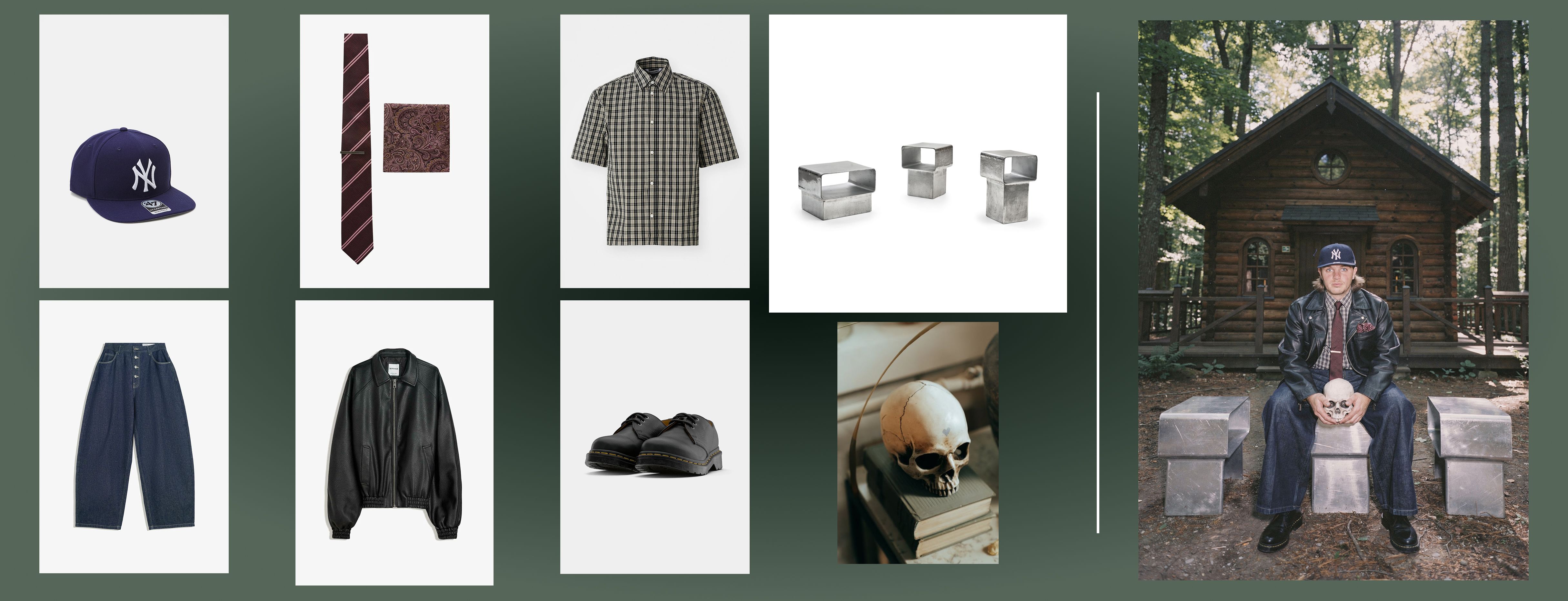
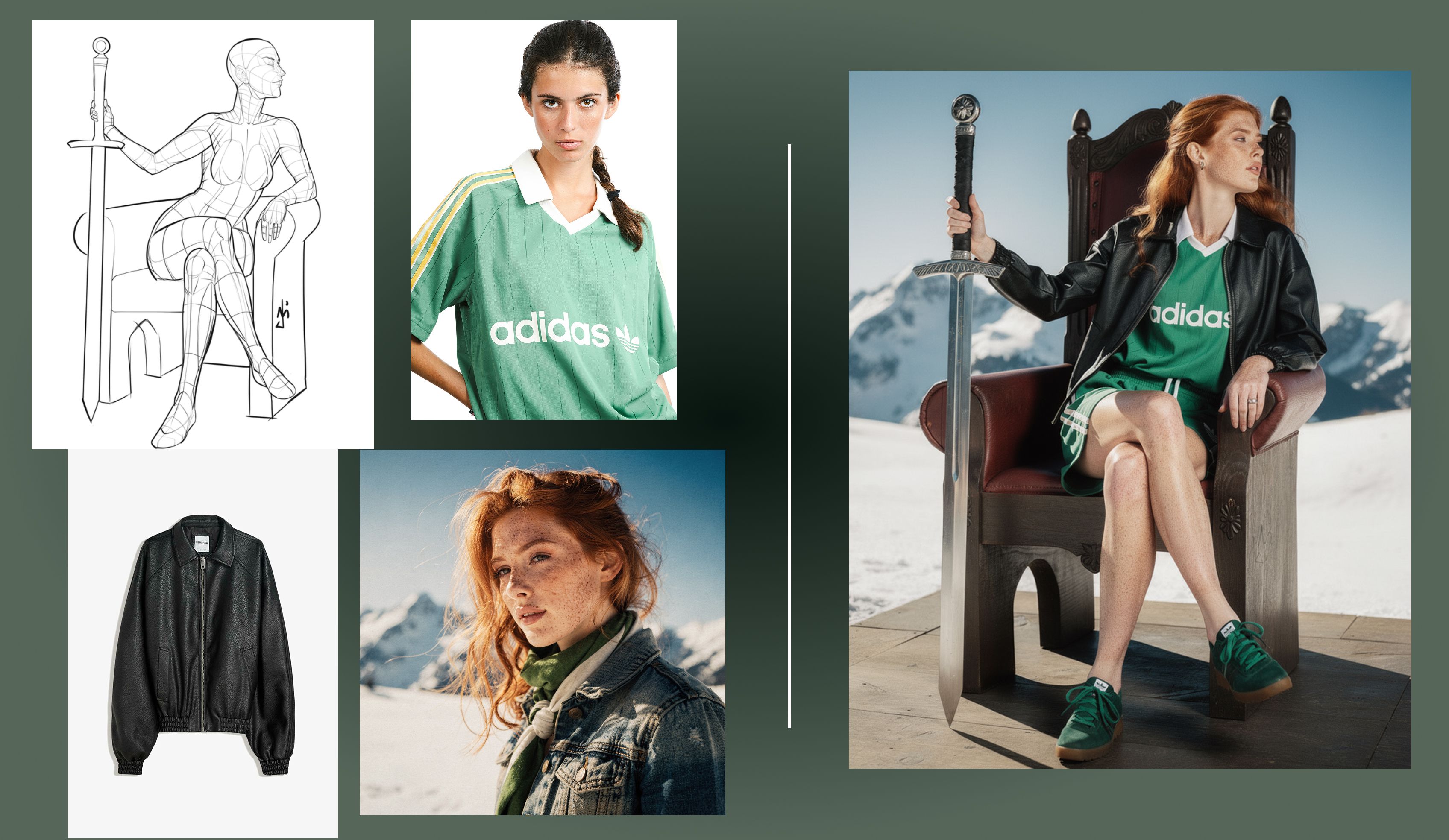
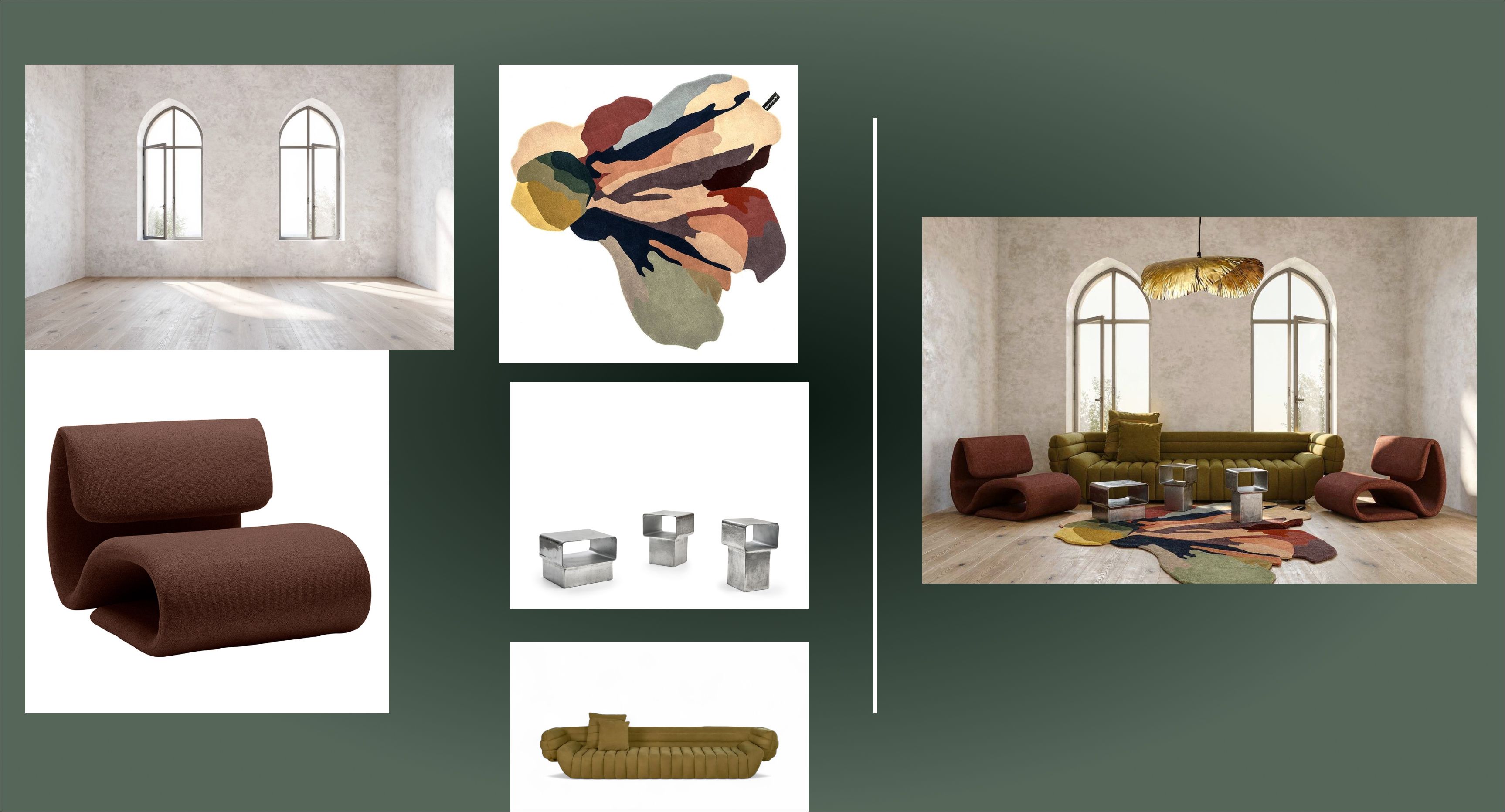
Combine elements from multiple images while maintaining identity across complex scenes. Create ad variants with consistent faces, product mockups in any context, or fashion editorials where models stay consistent.
Fashion editorial: 8 consistent characters from reference images
Character + pose guidance combined
Input references used for the scene above
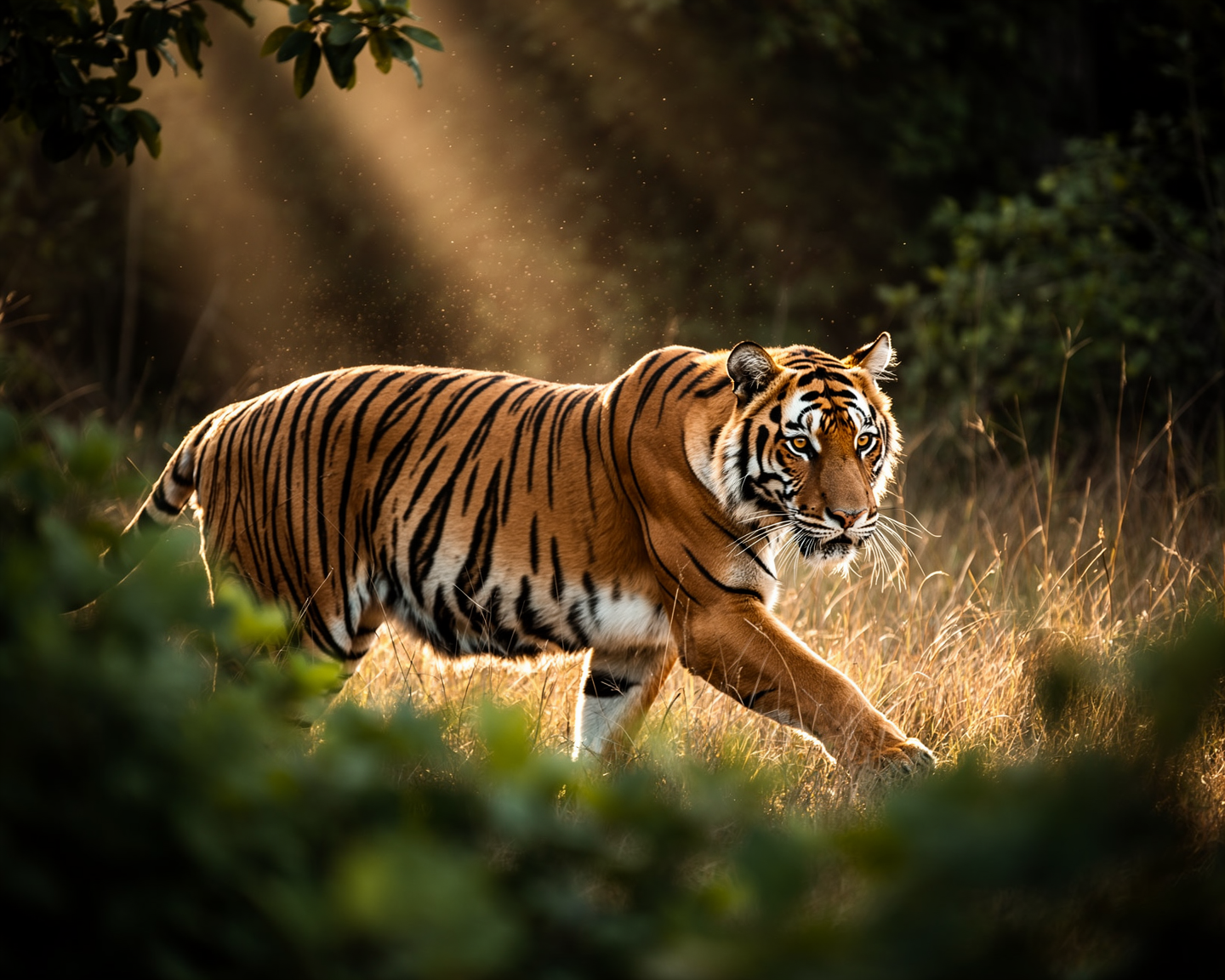
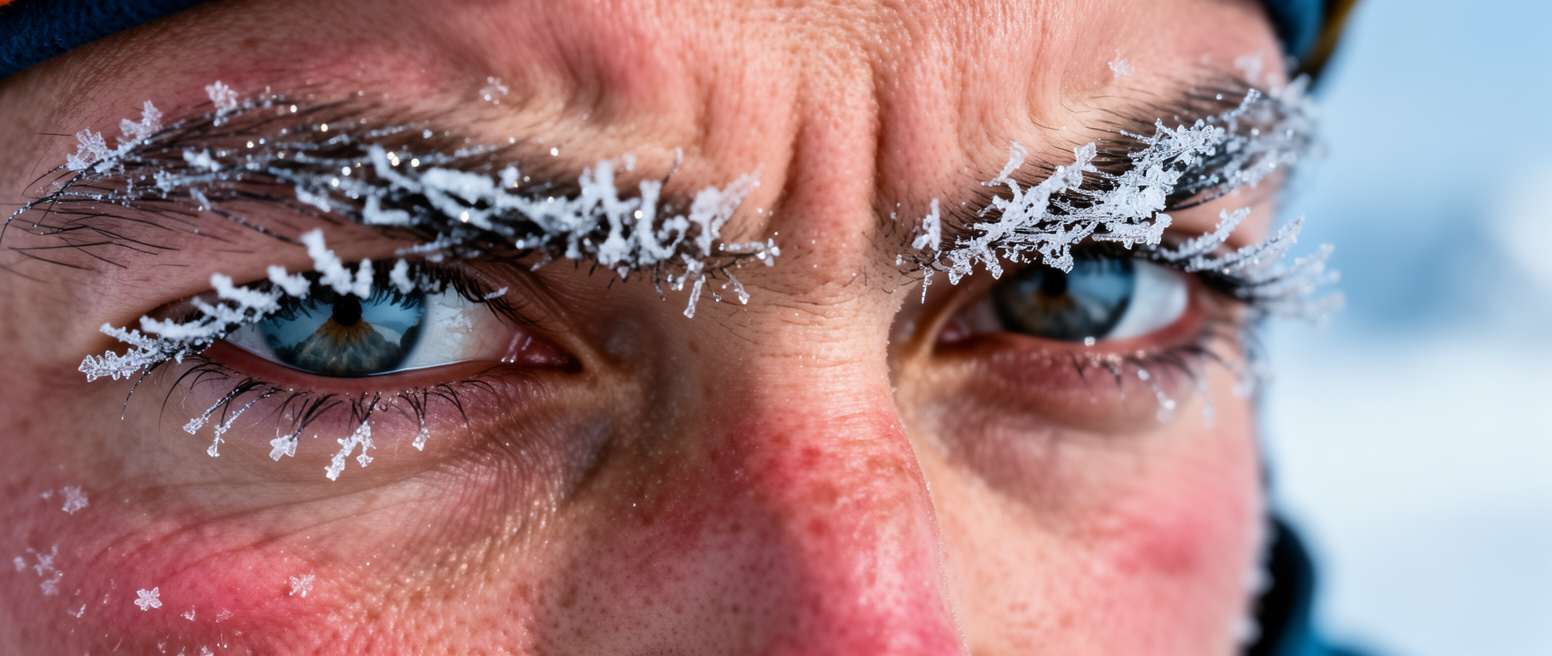
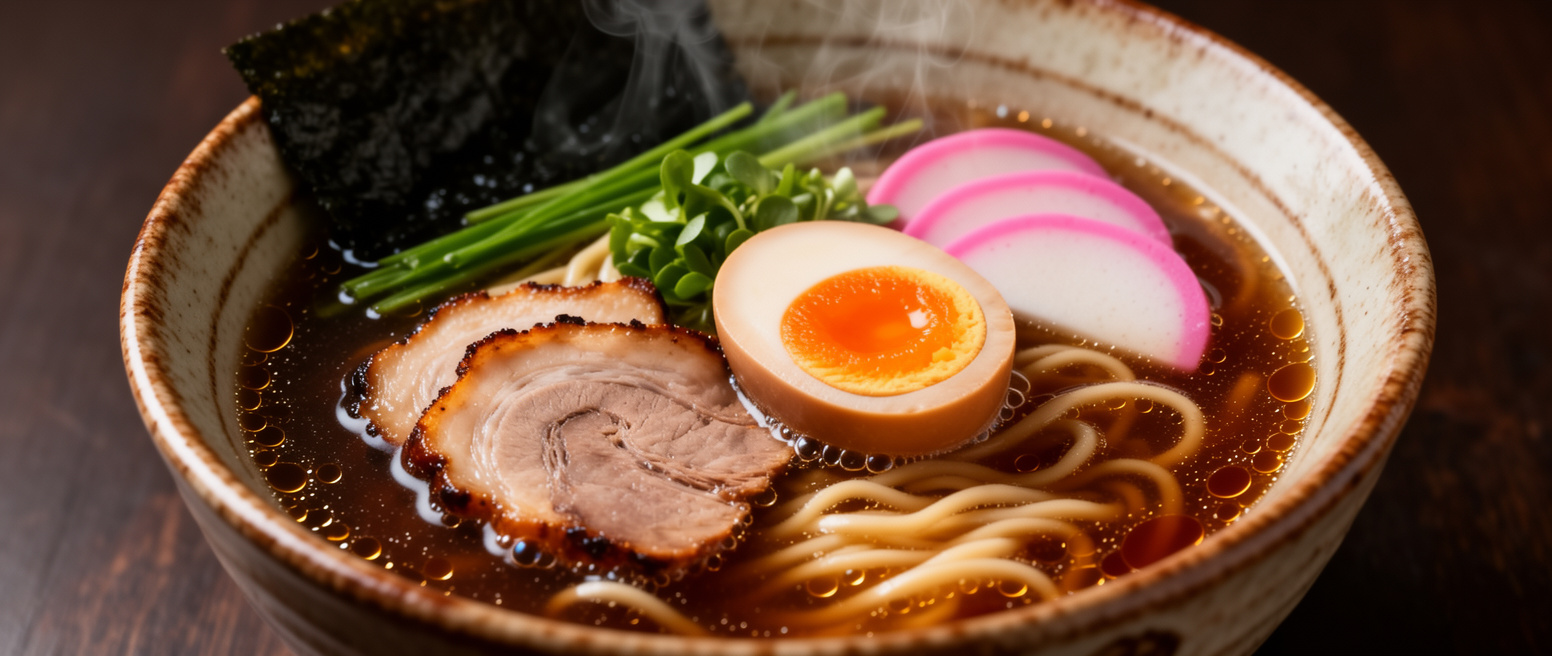
Generate photorealistic images with enhanced detail, texture, and lighting. FLUX.2 produces images that merge seamlessly with real photography—ideal for e-commerce and product marketing.
Cinematic lighting
Realistic skin texture and lighting
Hyper-realistic close up
Product photography quality
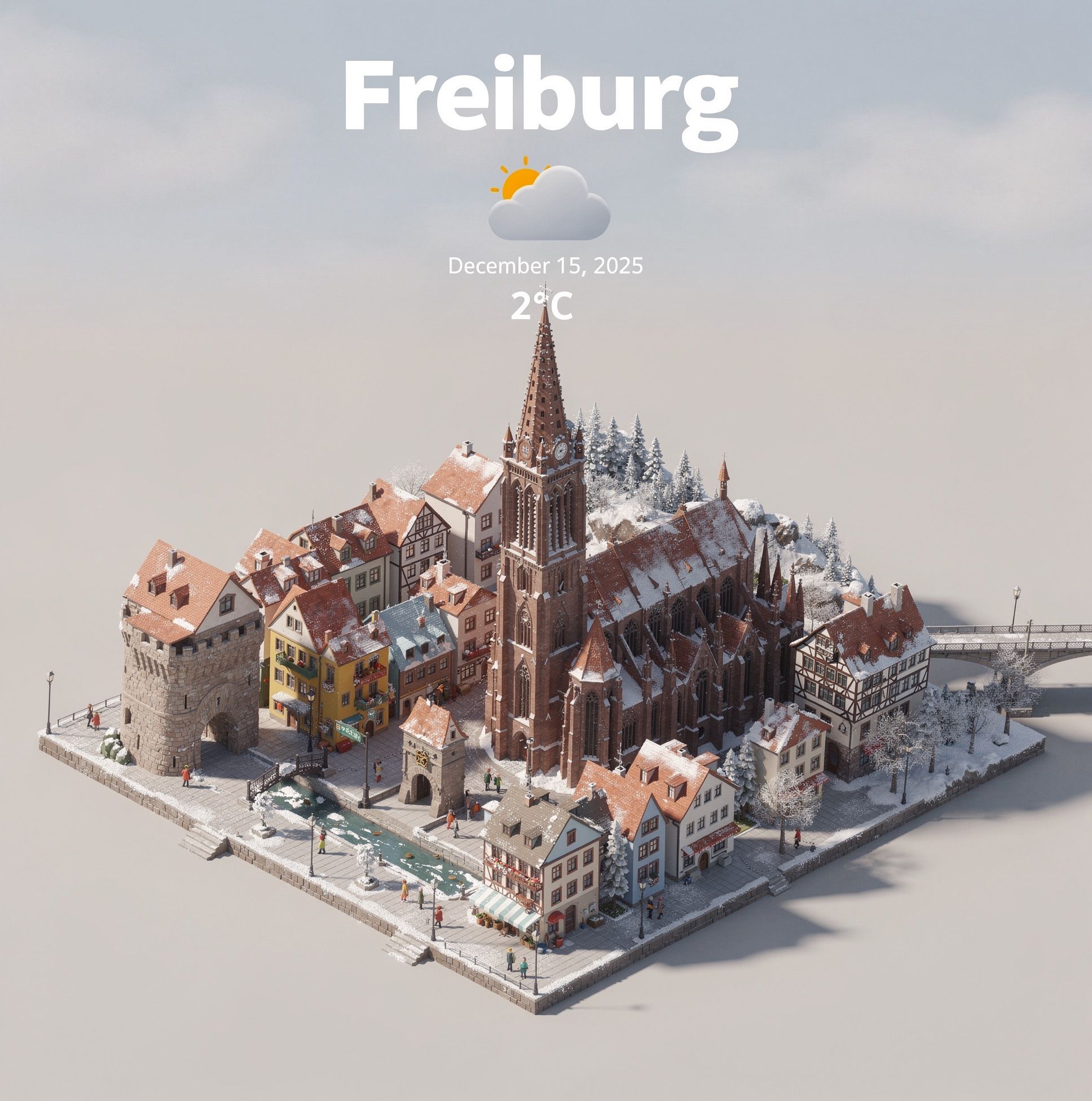
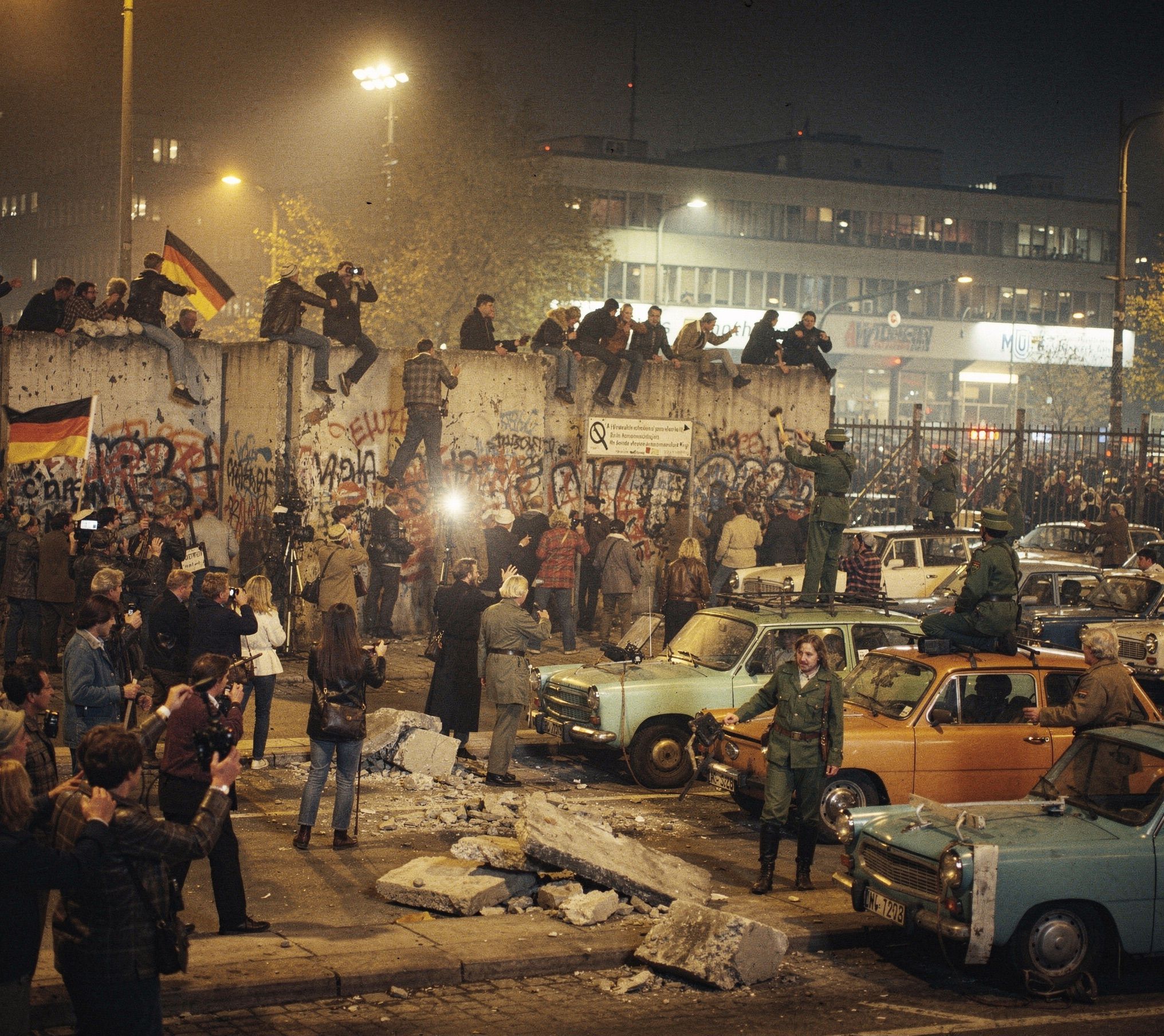
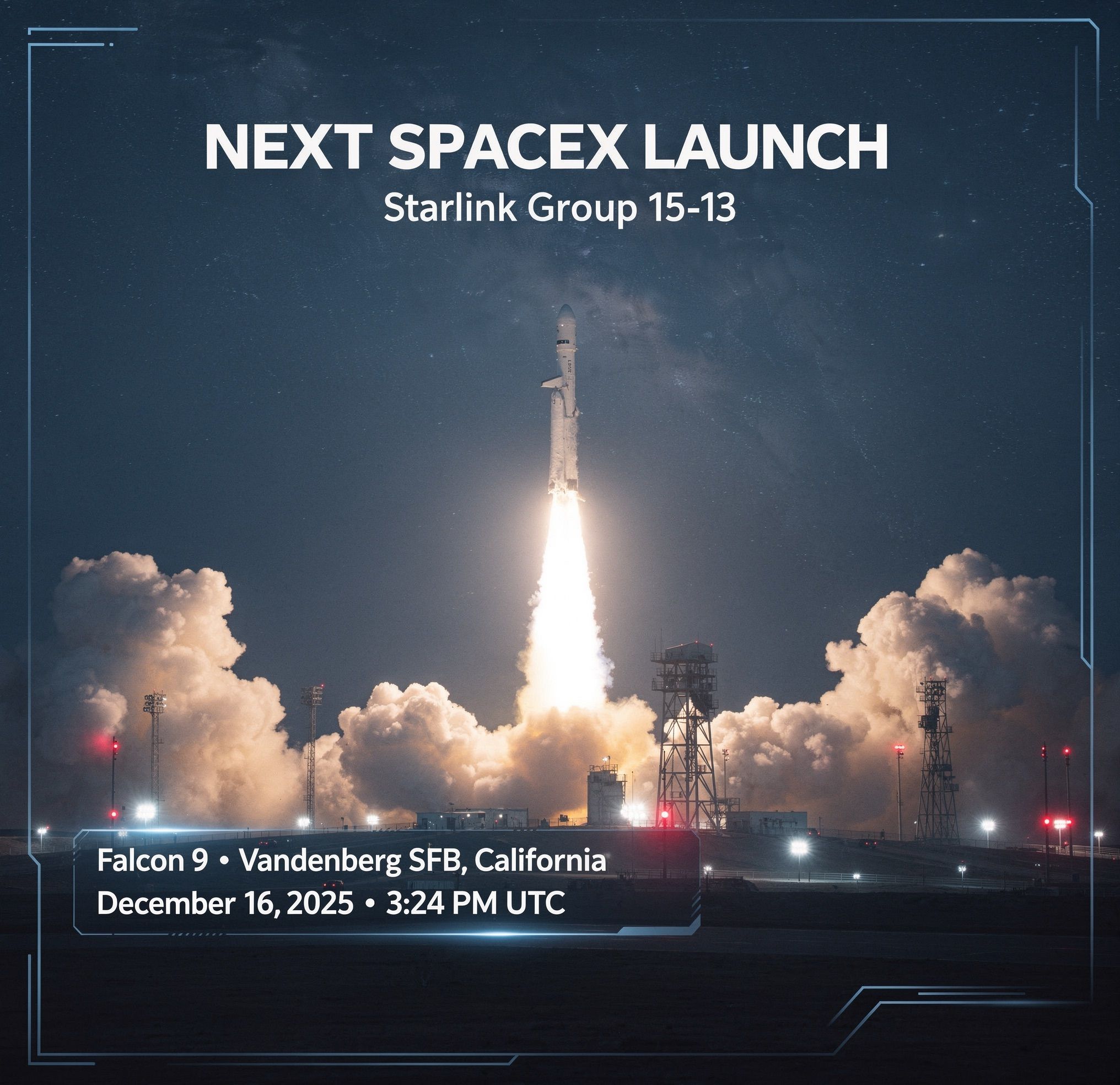
Generate images grounded in real-time information with FLUX.2 [max]. It searches the web when needed, so you can create visuals of yesterday’s football game, the weather in real-time of any city, or re-create historical events.
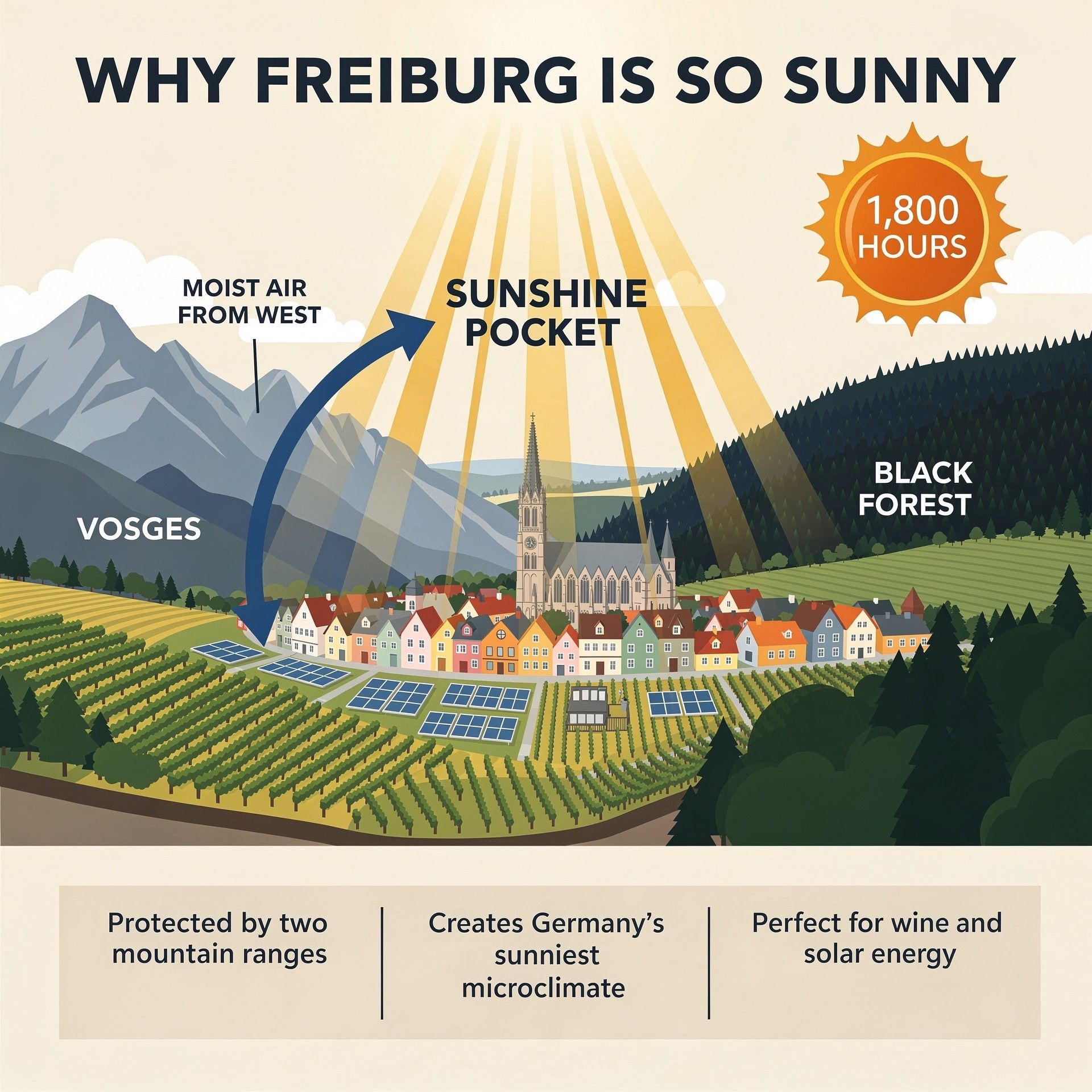
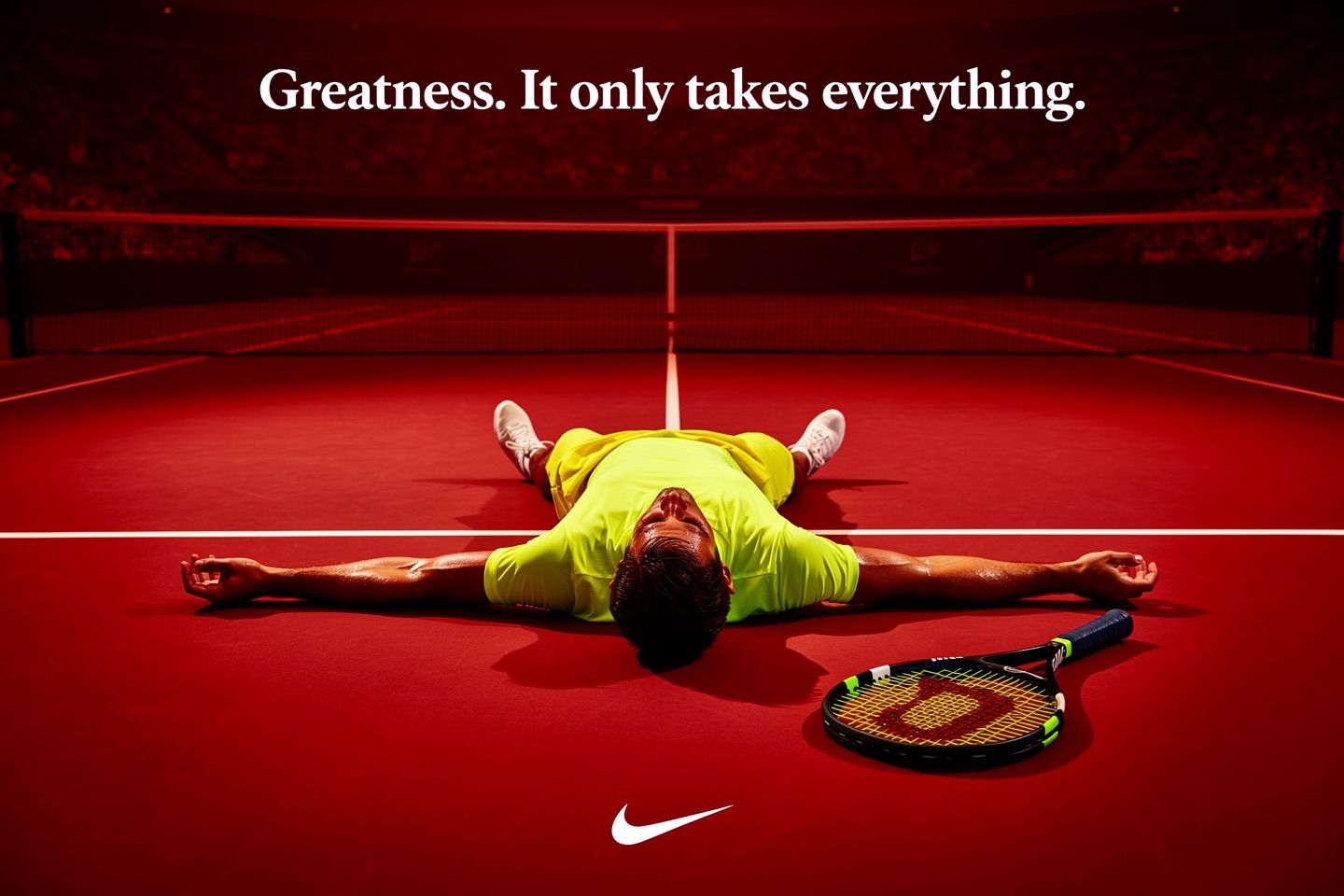
Reliable text rendering for infographics, UI mockups, and marketing materials.
Data visualization with clean typography
Ad creative with embedded text
Magazine cover layout
Automotive ad with headline
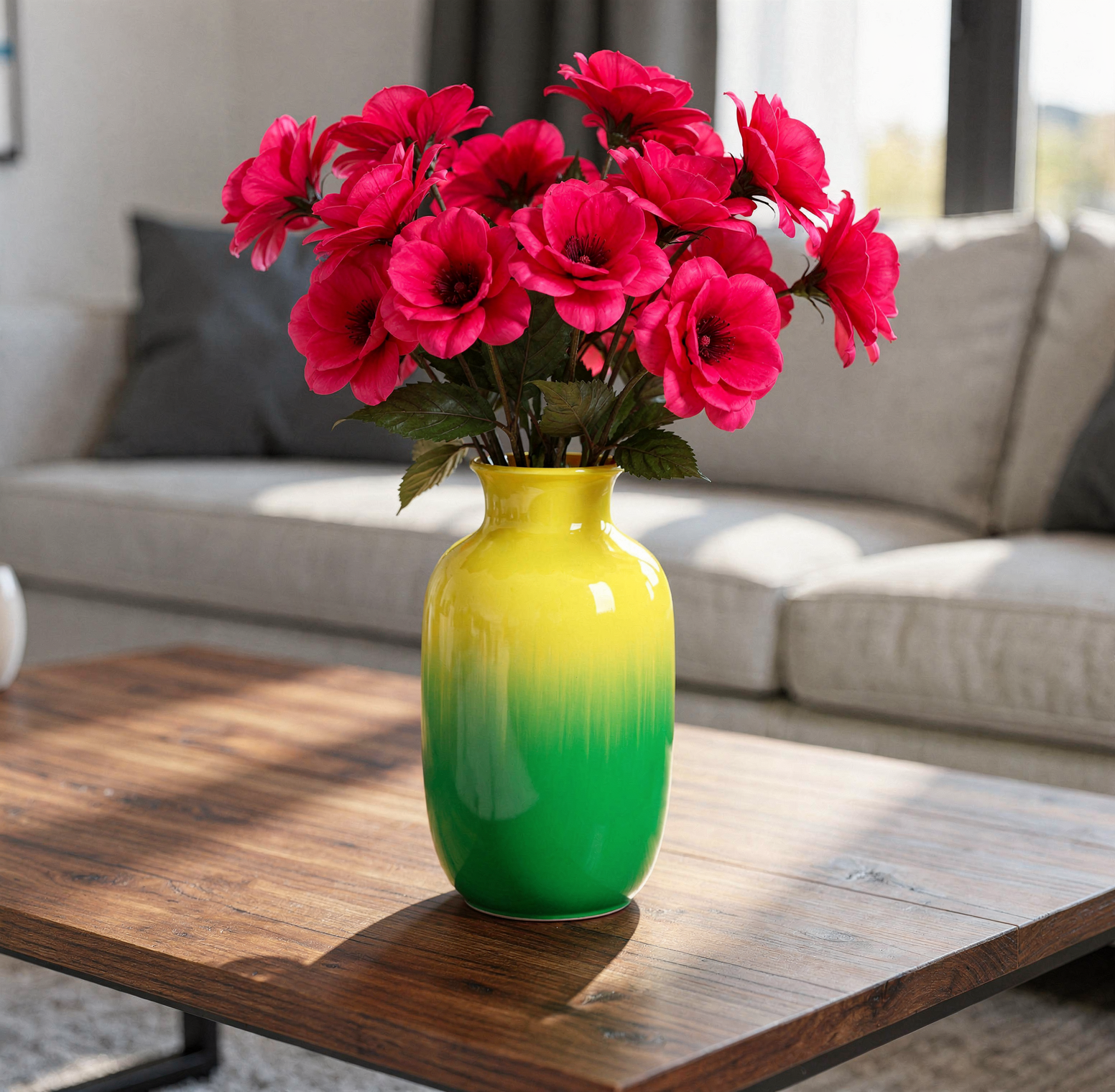
Specify brand colors via hex codes with precision matching. No approximation—get the exact colors you need.Example: Gradient colors with hex codesPrompt: A vase on a table in living room, the color of the vase is a gradient of color, starting with color #02eb3c and finishing with color #edfa3c. The flowers inside the vase have the color #ff0088
Hex colors applied to vase and flowers
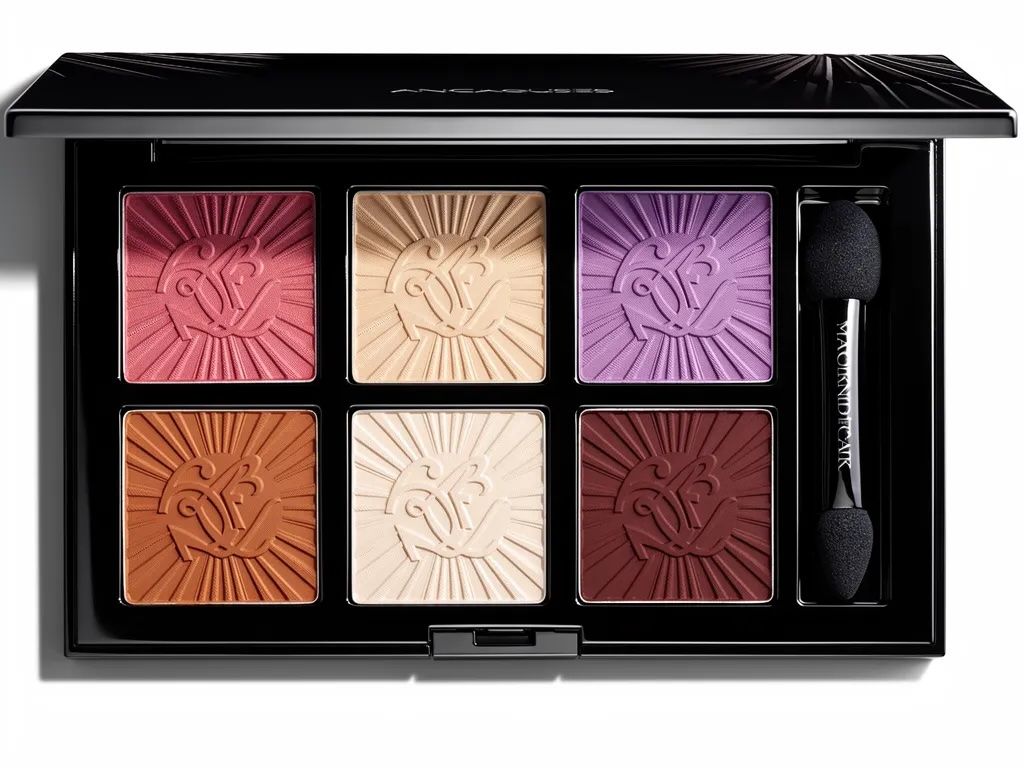
Example: Multiple hex colors for product designPrompt: Luxury eyeshadow palette with 6 pans: top row #B76E79, #E8D5B7, #8B4789; bottom row #CD7F32, #F8F6F0, #800020
Brand color matching
Use structured prompts for precise control over generation. Perfect for production workflows and automation.
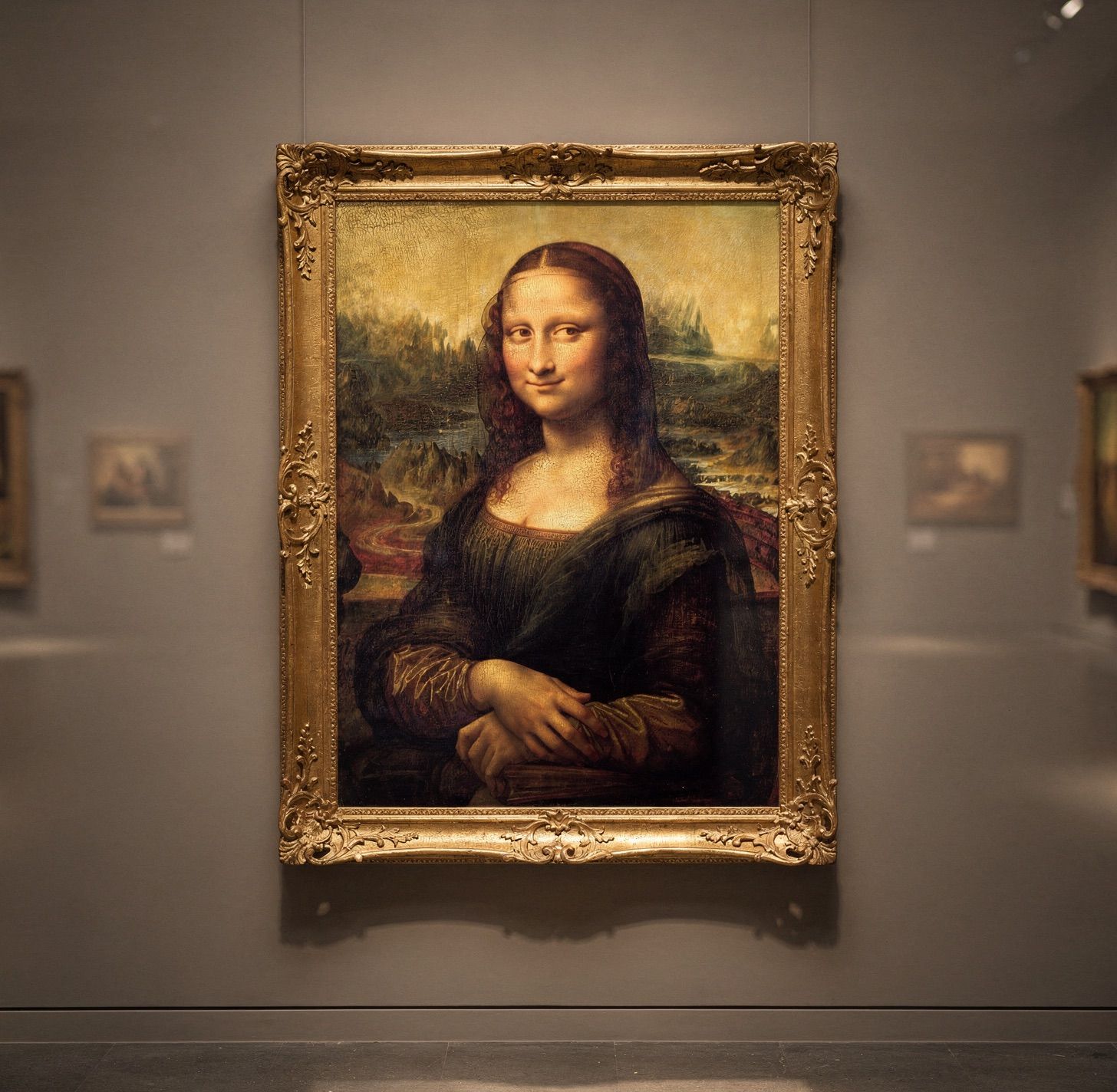
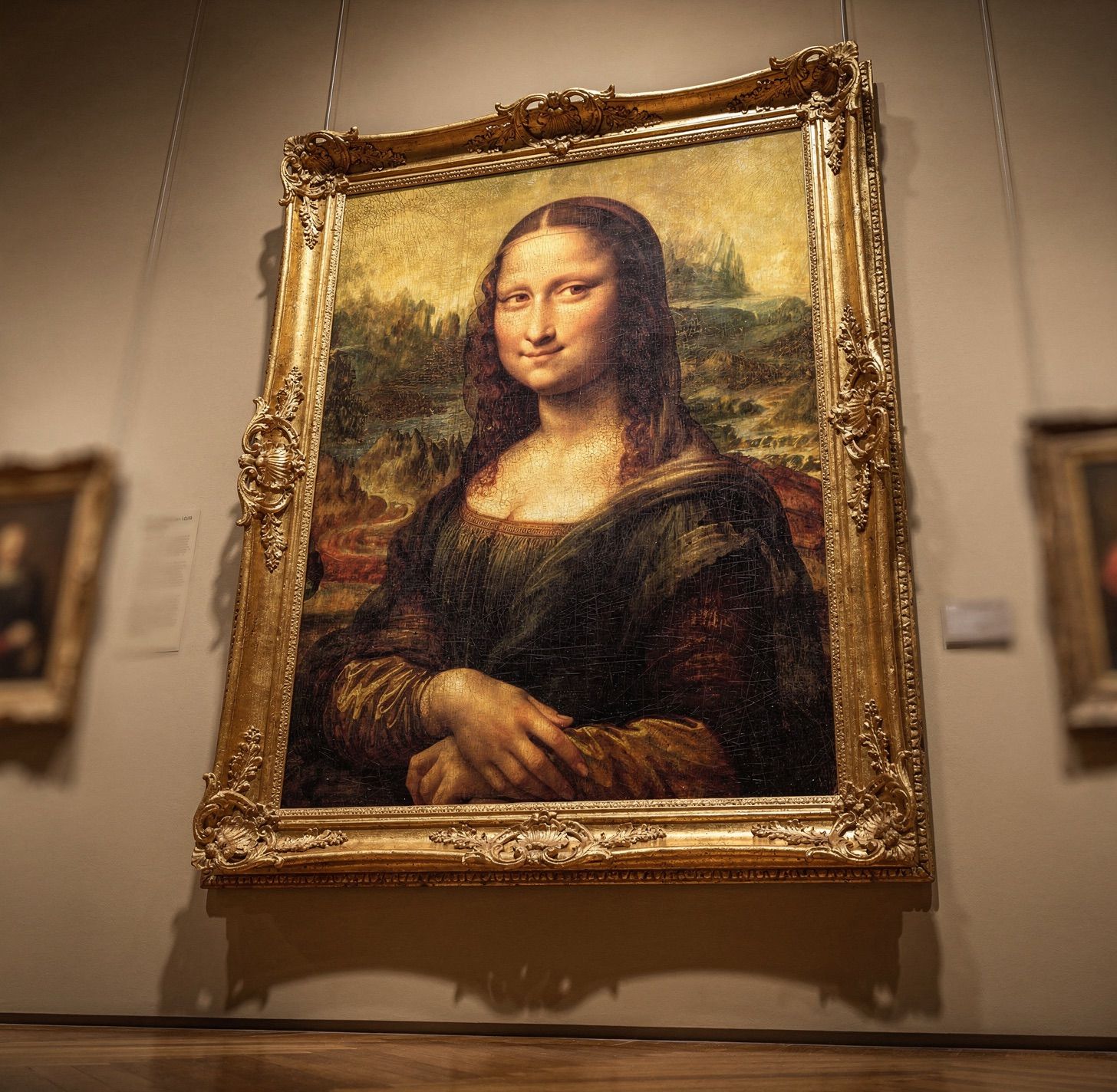
Example: Structured Prompting
{ "subject": "Mona Lisa painting by Leonardo da Vinci", "background": "museum gallery wall, ornate gold frame", "lighting": "soft gallery lighting, warm spotlights", "style": "digital art, high contrast", "camera_angle": "eye level view", "composition": "centered, portrait orientation"}
FLUX.2 [klein] delivers sub-second inference with open weights. 4B runs on consumer GPUs (~13GB VRAM). Apache 2.0 for 4B, FLUX NCL for 9B. See model details below.
FLUX.2 [max] includes grounding search: when prompted, it performs web searches to access real-time information to visualize trending products, current events, or the latest styles without manually sourcing reference material.
Sub-second inference. Our fastest models with open weights. Runs on consumer GPUs (~13GB VRAM). From $0.014/image via API, or run locally with Apache 2.0 (4B) / FLUX NCL (9B).
[max]
Maximum performance. Highest editing consistency across tasks. Vast world knowledge. Strongest prompt following and faithful style representation.
[pro]
Top performance at affordable price. The high quality, production-grade image editing and generation model.
[flex]
Specialized for typography. Best for text rendering and preserving small details.
Open weights available: [klein] 4B is fully open under Apache 2.0. [klein] 9B is available under the FLUX Non-Commercial License. Download from Hugging Face.
The Base variants are undistilled foundation models with full training signal—ideal for fine-tuning, LoRA training, research, and custom pipelines. Higher output diversity than distilled models.
Preview endpoints are where our latest improvements land first. They reflect our most recent advances in quality and speed.
Endpoint
Description
flux-2-pro-preview
Our latest FLUX.2 [pro] model.
flux-2-pro
A fixed snapshot of FLUX.2 [pro]. This endpoint will not change, making it suitable for workflows that require reproducibility.
flux-2-klein-9b-preview
Our latest FLUX.2 [klein] 9B model with KV caching for improved performance.
flux-2-klein-9b
A fixed snapshot of FLUX.2 [klein] 9B. Choose this when you need reproducibility.
Which endpoint should I use? For most use cases, the preview endpoints (flux-2-pro-preview, flux-2-klein-9b-preview) give you the best results. Choose the non-preview endpoints when you need a pinned model — for example, if your workflow depends on consistent outputs across runs or you have compliance requirements around model stability.
The flux-2-pro and flux-2-klein-9b endpoints are unchanged. If you are already using them, no action is required.
Both preview and non-preview endpoints share the same API contract — the request and response format is identical. Only the underlying model weights differ.


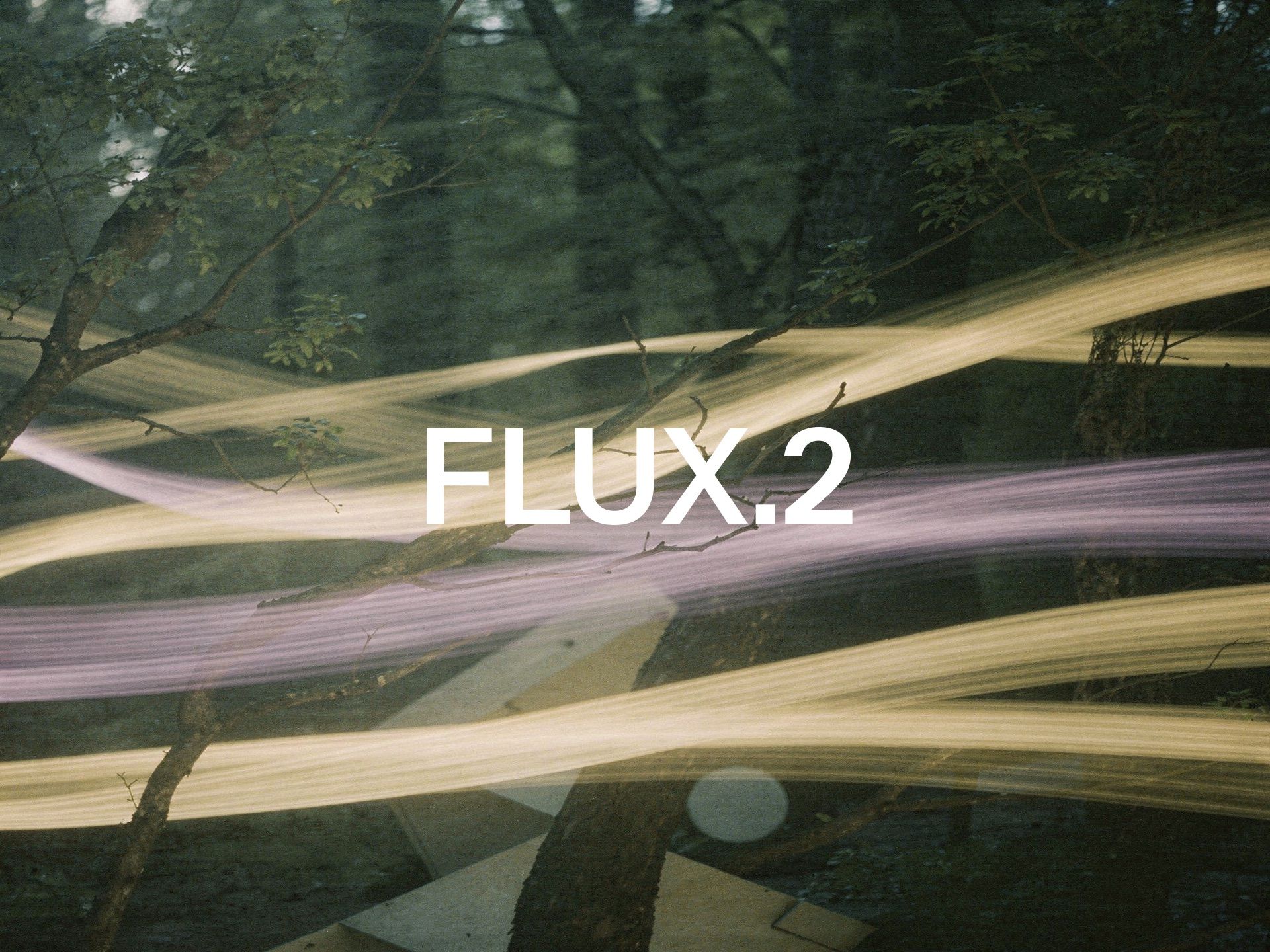 FLUX.2 spans the full spectrum of image generation—from sub-second inference with [klein] to highest quality with [max]. Generate photorealistic images with precise control over colors, poses, and composition, or edit existing images by referencing up to 10 sources simultaneously.
Choose [klein] for real-time, high-volume generation, [pro] for production at scale, [flex] for fine-grained control, or [max] for maximum quality and grounding search.
FLUX.2 spans the full spectrum of image generation—from sub-second inference with [klein] to highest quality with [max]. Generate photorealistic images with precise control over colors, poses, and composition, or edit existing images by referencing up to 10 sources simultaneously.
Choose [klein] for real-time, high-volume generation, [pro] for production at scale, [flex] for fine-grained control, or [max] for maximum quality and grounding search.




![FLUX.2 [klein] diverse output examples](https://cdn.sanity.io/images/2gpum2i6/production/900de0722995119df9f27d799bdfed194d2112ac-2127x1400.jpg)